
Weather, Air & Moisture Meters
Weather, air and moisture meters including hygrometer, altimeter, humidity logger, CO2 meter, wood moisture meter, wind gauge and flow meter.
More in Test, Measure & Detect
10 products
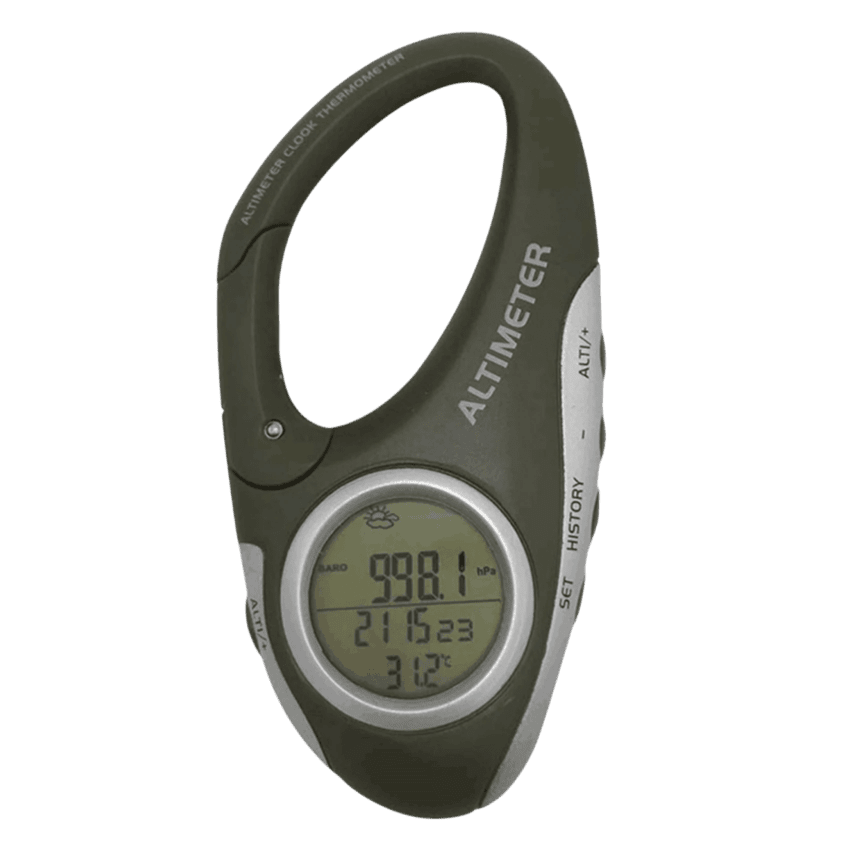
Altimeter
AltiPeak
$89.99
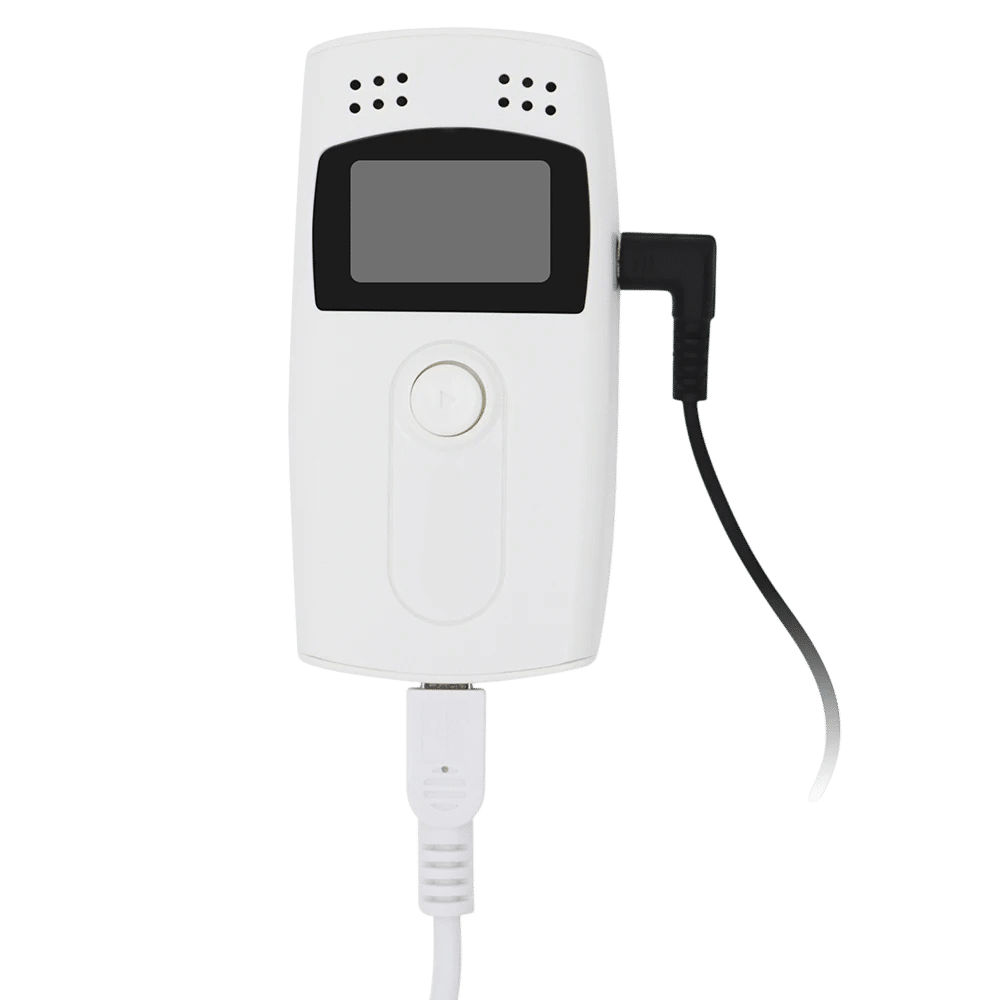
Humidity Logger
ClimeTrace
$109.00
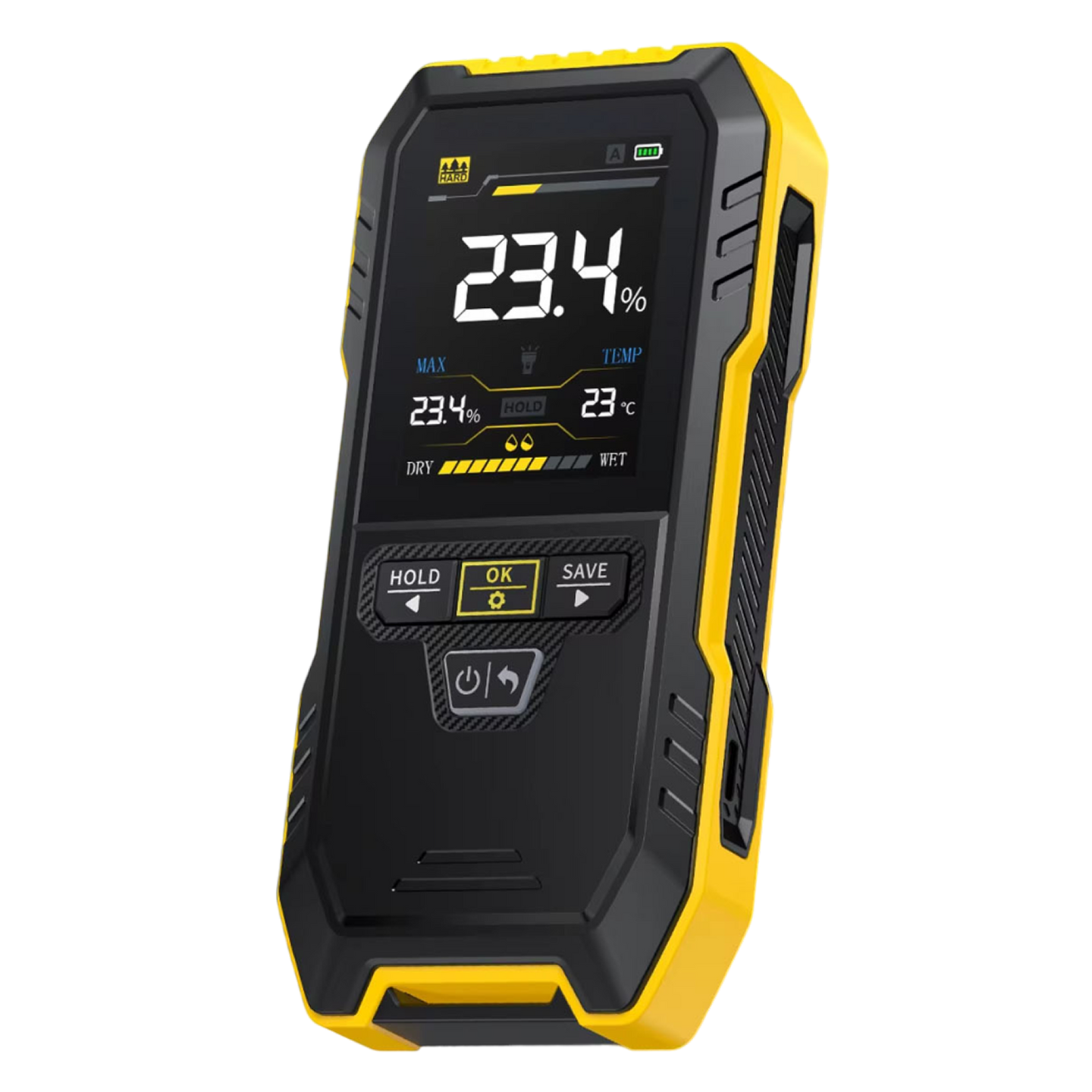
Hygrometer
NovaBeam
$79.99
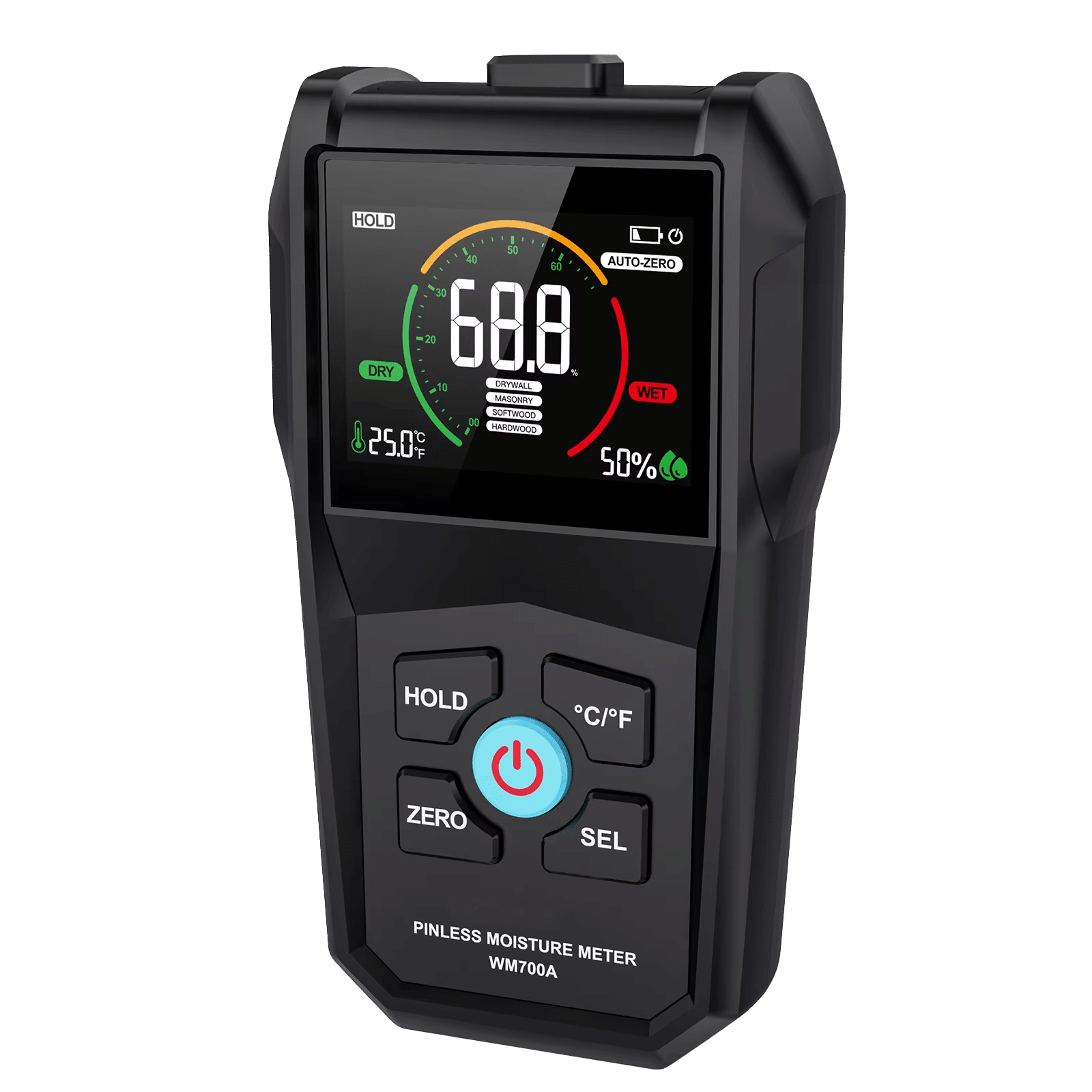
Moisture Detectors Protect
DampSentry
$98.99
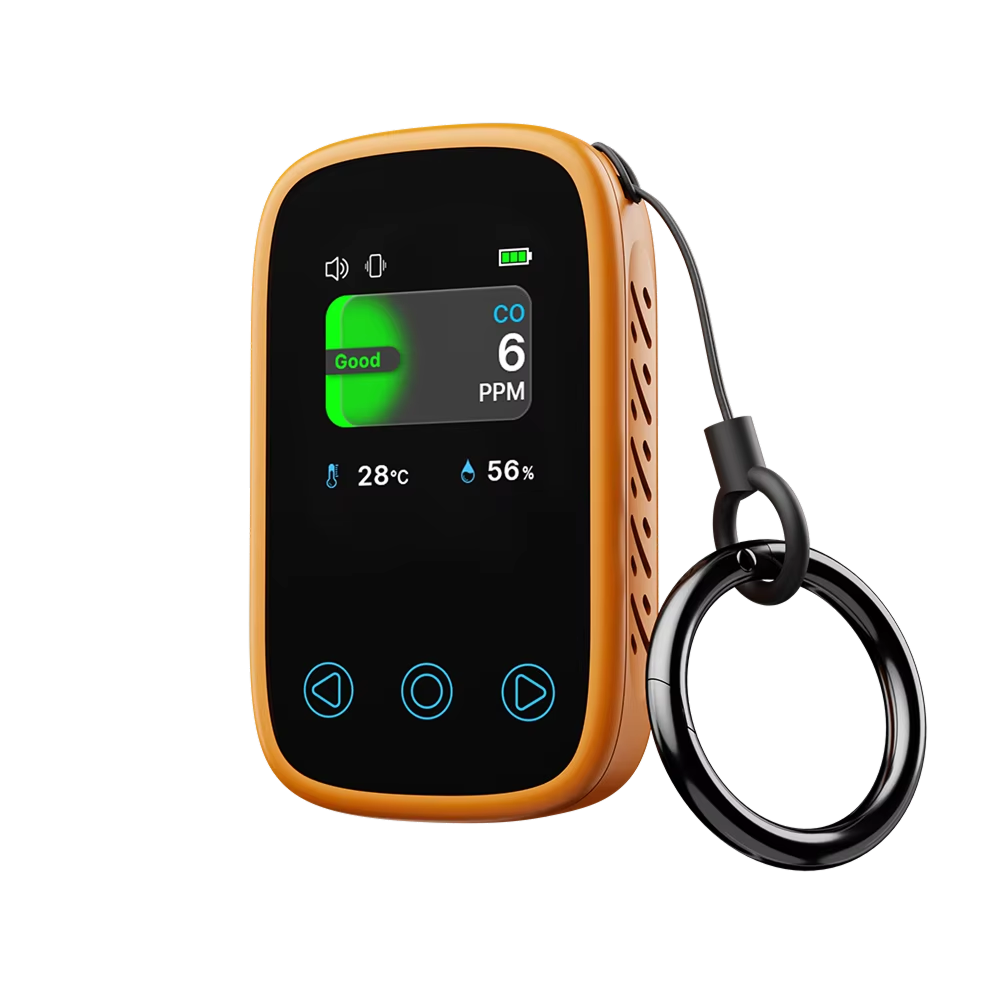
Portable CO2 Meter
AirSentinel
$99.99
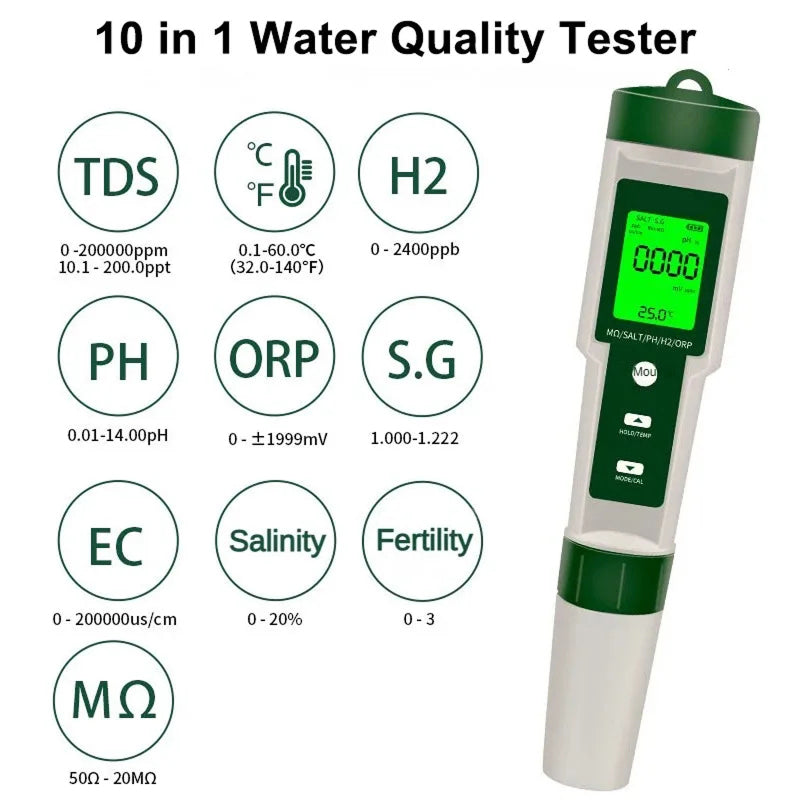
Salinity Meter
HydroSage Pro
$89.99
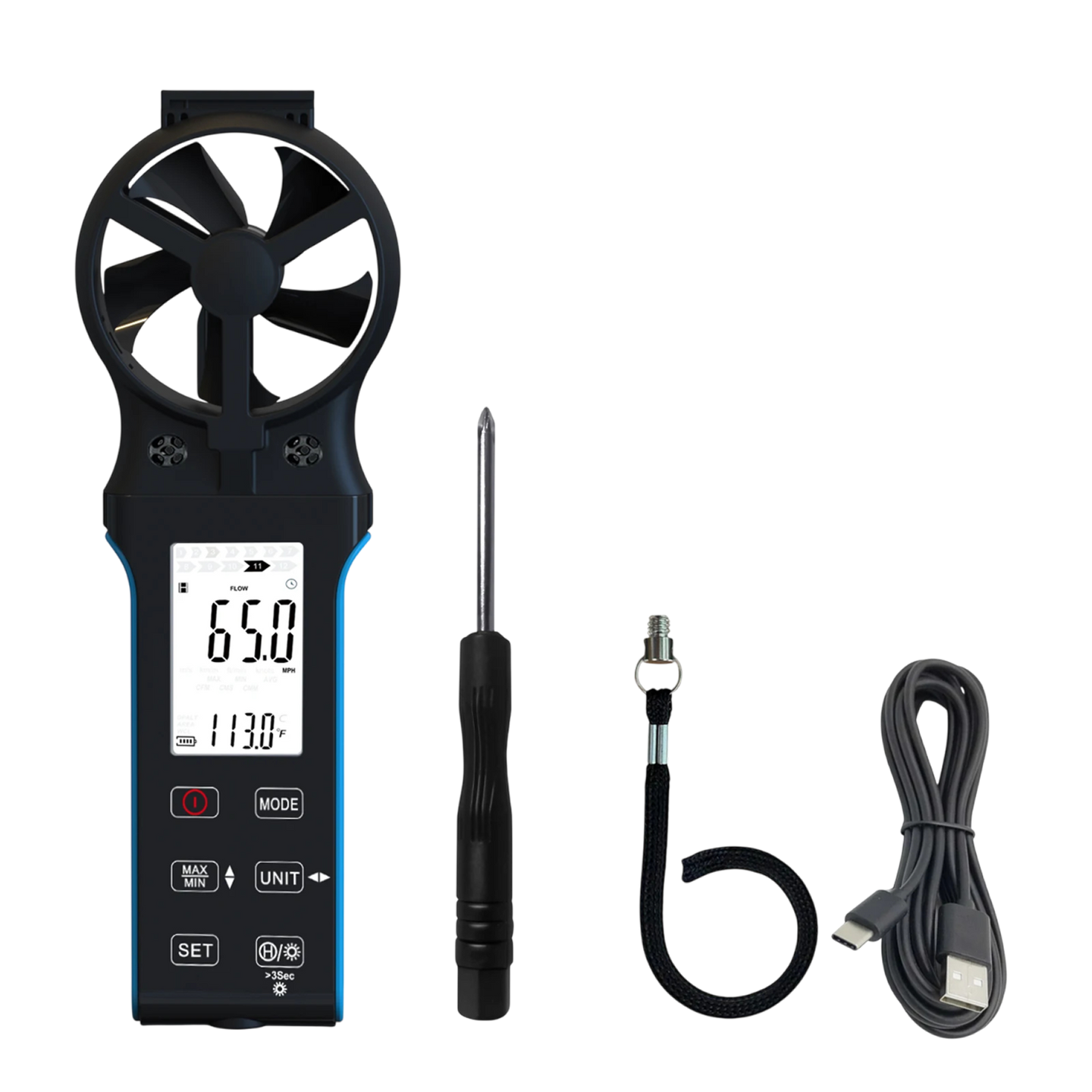
Wind Gauge Meter
ZephyrAxis
$99.99
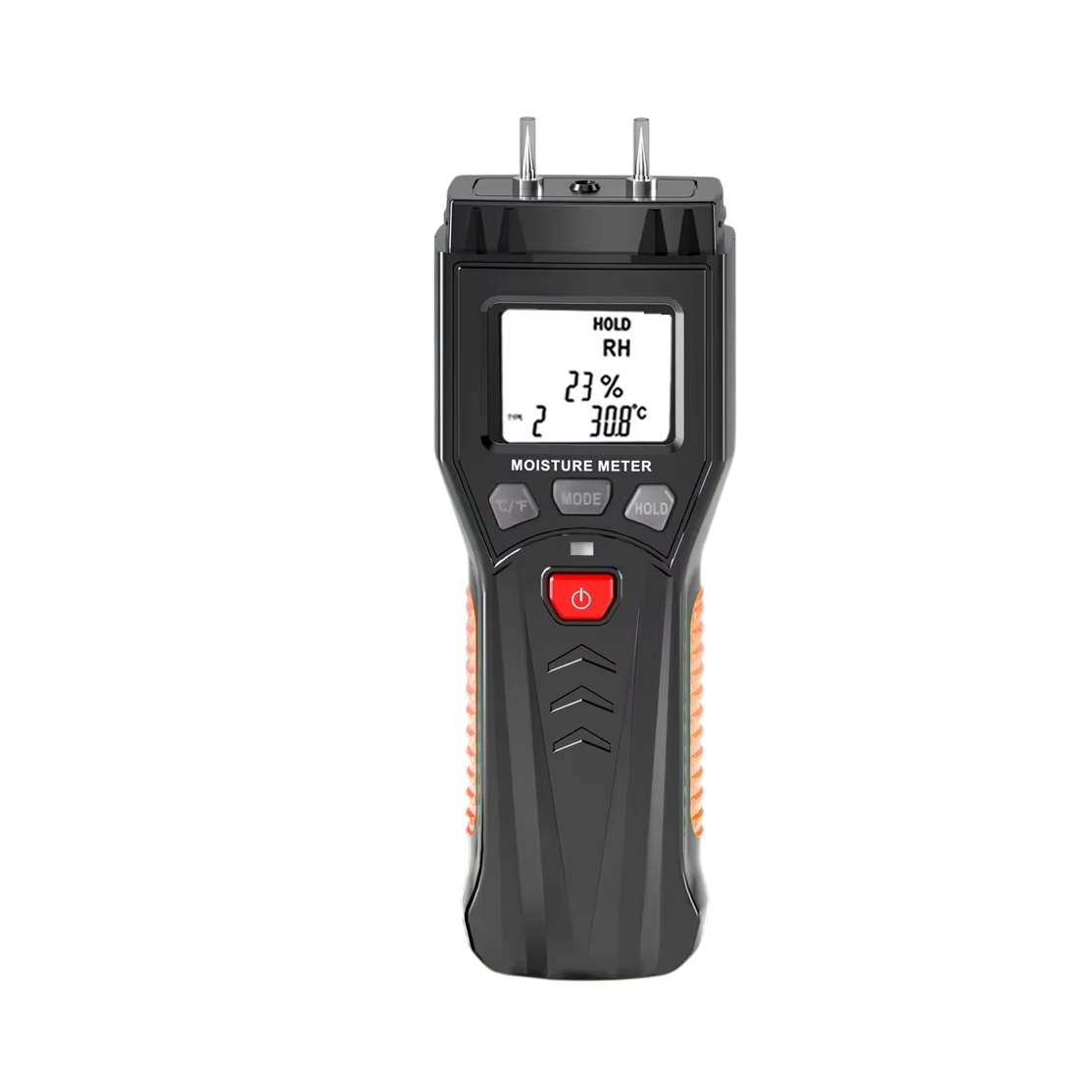
Wood Moisture Meter
HydroTrace Pro
$99.99
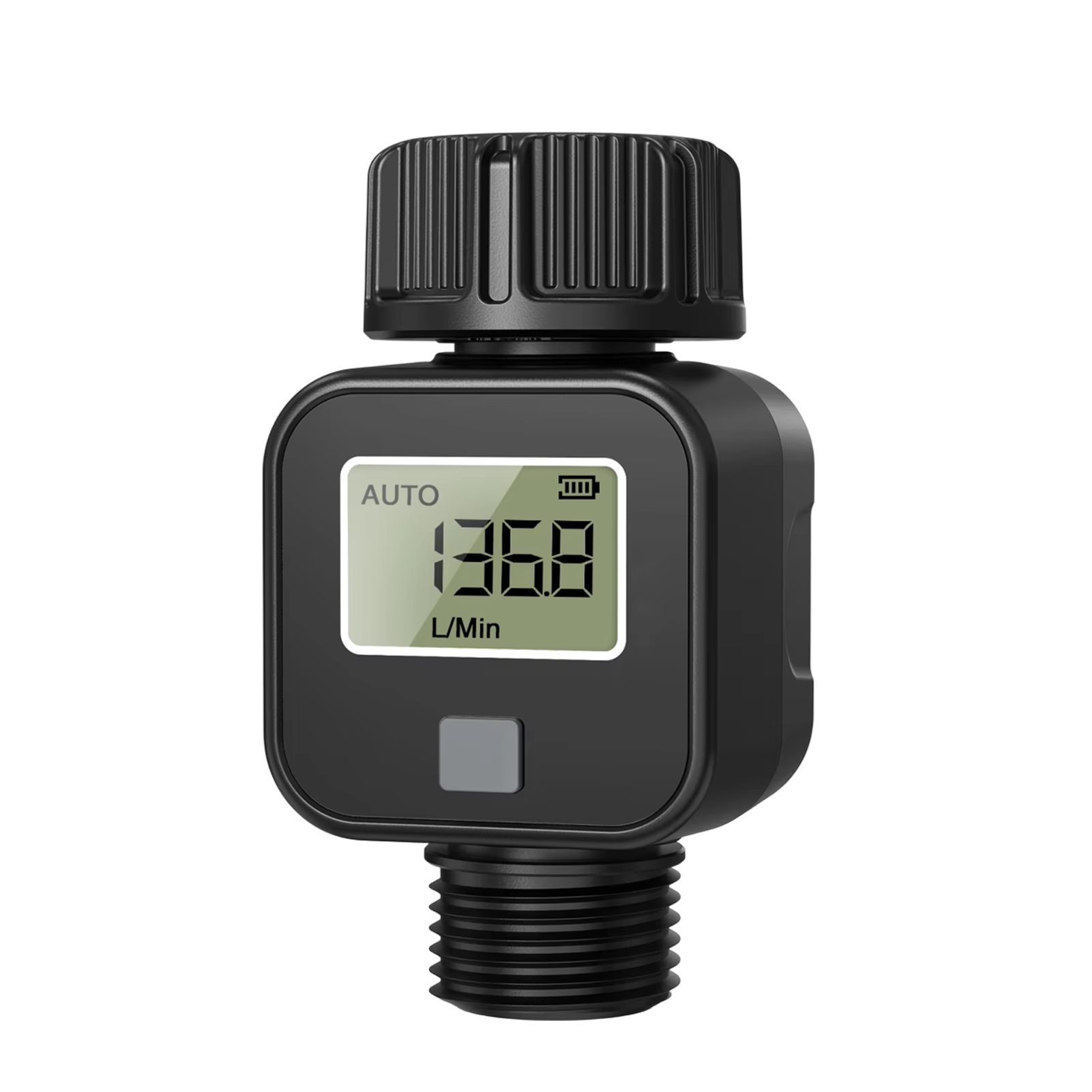
Digital Water Flow Meter
HydroGauge
$99.00
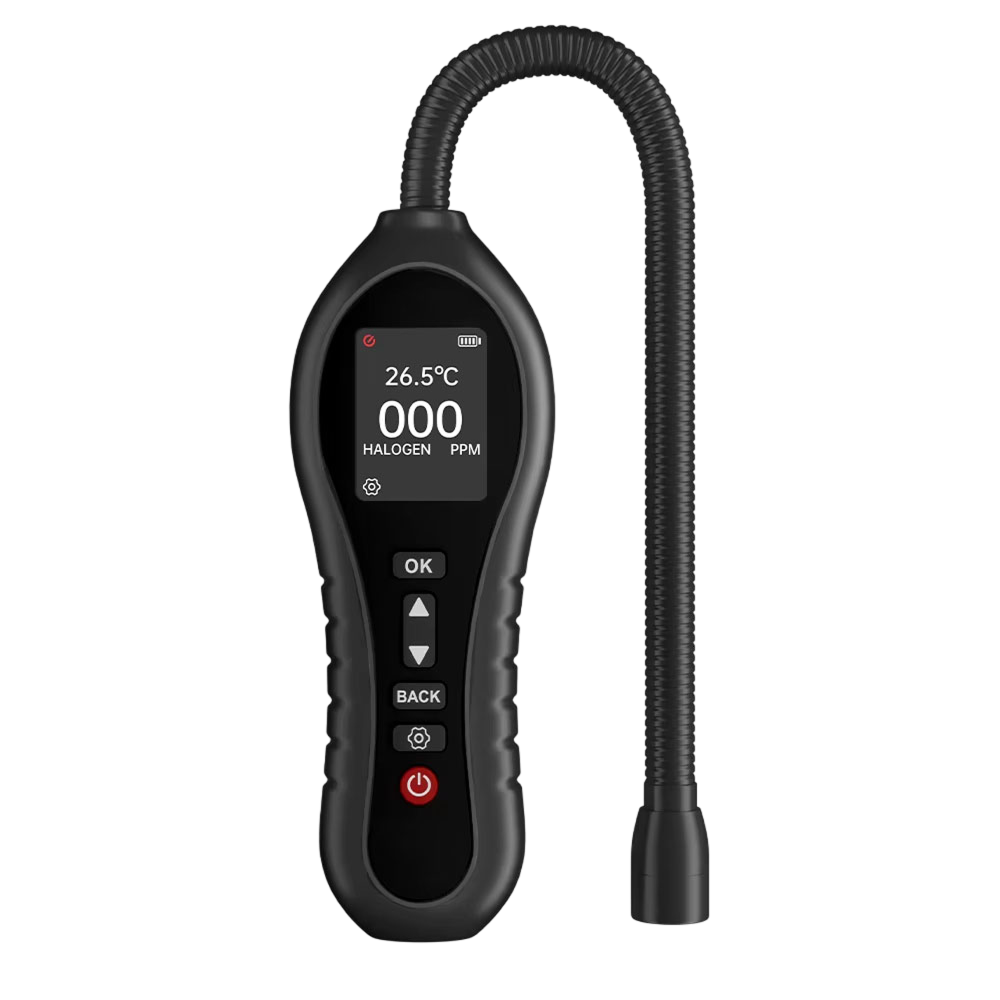
Refrigerant Leak Detector
LeakHawk Pro
$119.99
Weather, Air and Moisture Meters for Home, Shop and Field
Weather, air and moisture meters are handheld or placed instruments that display environmental readings such as humidity, altitude, wind, moisture content and gas levels. This collection also includes a flow meter and a leak detector for water and HVAC work.
Main product types
- Humidity and air: the NovaBeam hygrometer reads humidity, the ClimeTrace humidity logger records readings over time, and the AirSentinel portable CO2 meter displays carbon dioxide levels indoors.
- Weather and altitude: the AltiPeak altimeter shows altitude, and the ZephyrAxis wind gauge meter reads wind conditions outdoors.
- Moisture: the HydroTrace Pro wood moisture meter checks lumber and firewood, and the DampSentry moisture detector is used for damp spots in building materials.
- Water and leaks: the HydroSage Pro salinity meter measures salt content in water, the HydroGauge digital water flow meter reads flow through a line, and the LeakHawk Pro refrigerant leak detector is used on air conditioning and refrigeration systems.
What to compare
Match the instrument to the measurement first. Then compare display type, probe or pin design, measurement range, power source and whether the unit logs data. Handheld meters suit spot checks, while loggers suit longer observation periods. Check connection sizes on the flow meter against the pipe in use.
Typical use settings
Woodworkers check lumber before building, HVAC technicians use leak detectors on service calls, and homeowners track humidity in living spaces. Hikers, pool owners and workshop users also use these meters for routine readings.