How to Clean Car Seats: Fabric, Leather and Drying Without Mildew
Vacuum first, clean in small sections with a cleaner made for your seat material, then dry the cabin fully. Here are the steps for fabric, leather and vinyl.
The Quindrel Team
November 3, 2026 · 8 min read · Updated November 18, 2026
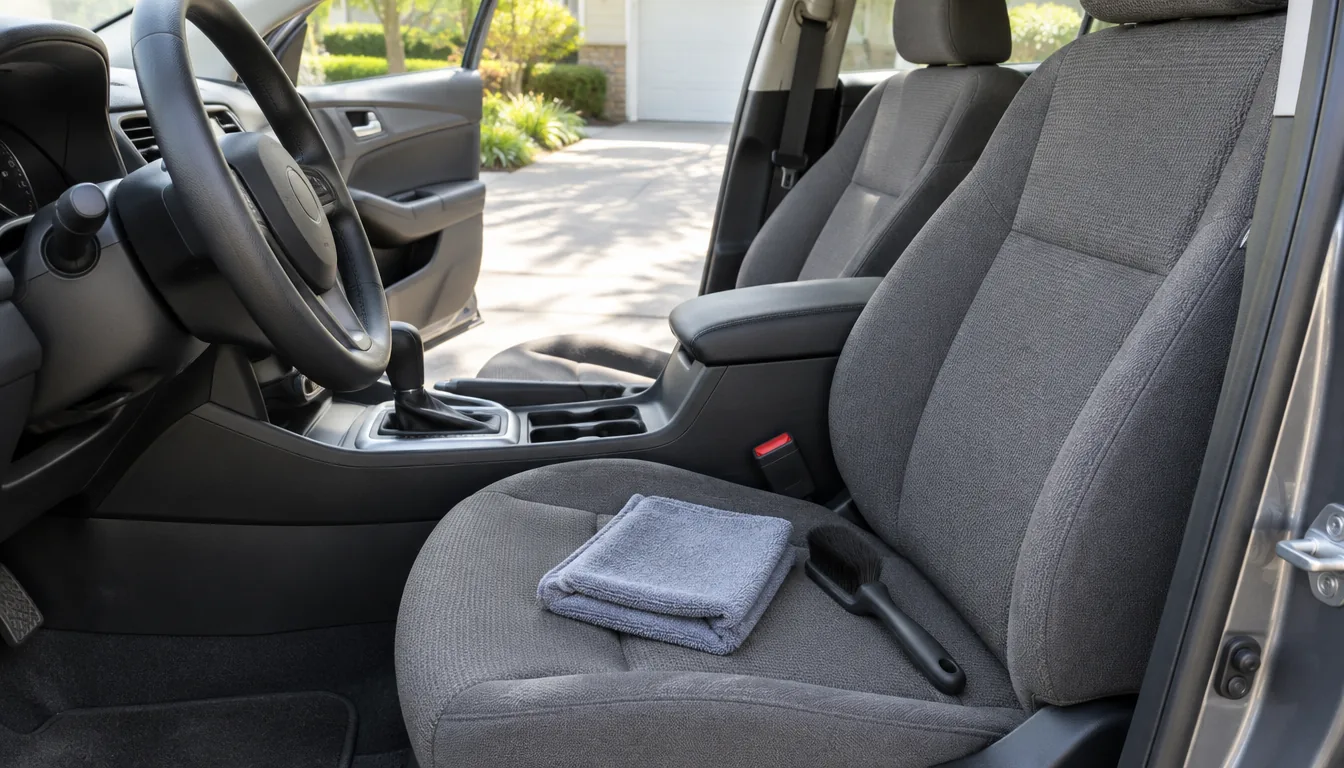
To learn how to clean car seats, start with the material: vacuum all loose dirt, apply a cleaner made for that material to small sections, agitate gently, blot, and let the seats dry completely with the doors open. Fabric takes a fabric or upholstery cleaner and a soft brush. Leather and vinyl take a mild cleaner made for leather and a damp microfiber towel.
Drying is the step that is easy to skip, and seats that stay damp can develop a musty smell and mildew spots. This guide gives the drying routine as much space as the cleaning.
How to Clean Car Seats: Identify the Material First
Check the owner's manual or the seat tag if you are unsure what you have. The wrong cleaner can leave residue, stiffen fabric or dull a leather finish. Test any product on a hidden spot, such as the underside of the seat or a low side panel, before you use it on a visible area.
| Seat material | Cleaner | Tool | Water level | Drying note |
|---|---|---|---|---|
| Cloth or fabric | Upholstery cleaner or diluted all-purpose cleaner | Soft or medium brush, microfiber | Light mist, blot well | Doors open, air moving across the seat |
| Leather | Leather cleaner, or mild soap diluted in water | Soft brush, microfiber | Damp towel, not wet | Wipe dry right away, then air dry |
| Vinyl or faux leather | Mild all-purpose cleaner | Microfiber, soft brush for grain | Damp towel | Wipe dry, then air dry |
| Suede-style or microsuede fabric | Cleaner the manual lists for it | Soft brush, dry microfiber | Minimal | Air dry, brush the nap lightly |
Supplies checklist
- A vacuum with a brush attachment and a crevice tool
- Upholstery cleaner or all-purpose cleaner, plus a leather cleaner if you have leather
- A soft or medium-bristle brush
- Four to six clean microfiber towels
- A spray bottle for diluting cleaner
- A small bucket of clean water
Step 1: Remove Loose Dirt Before Any Liquid
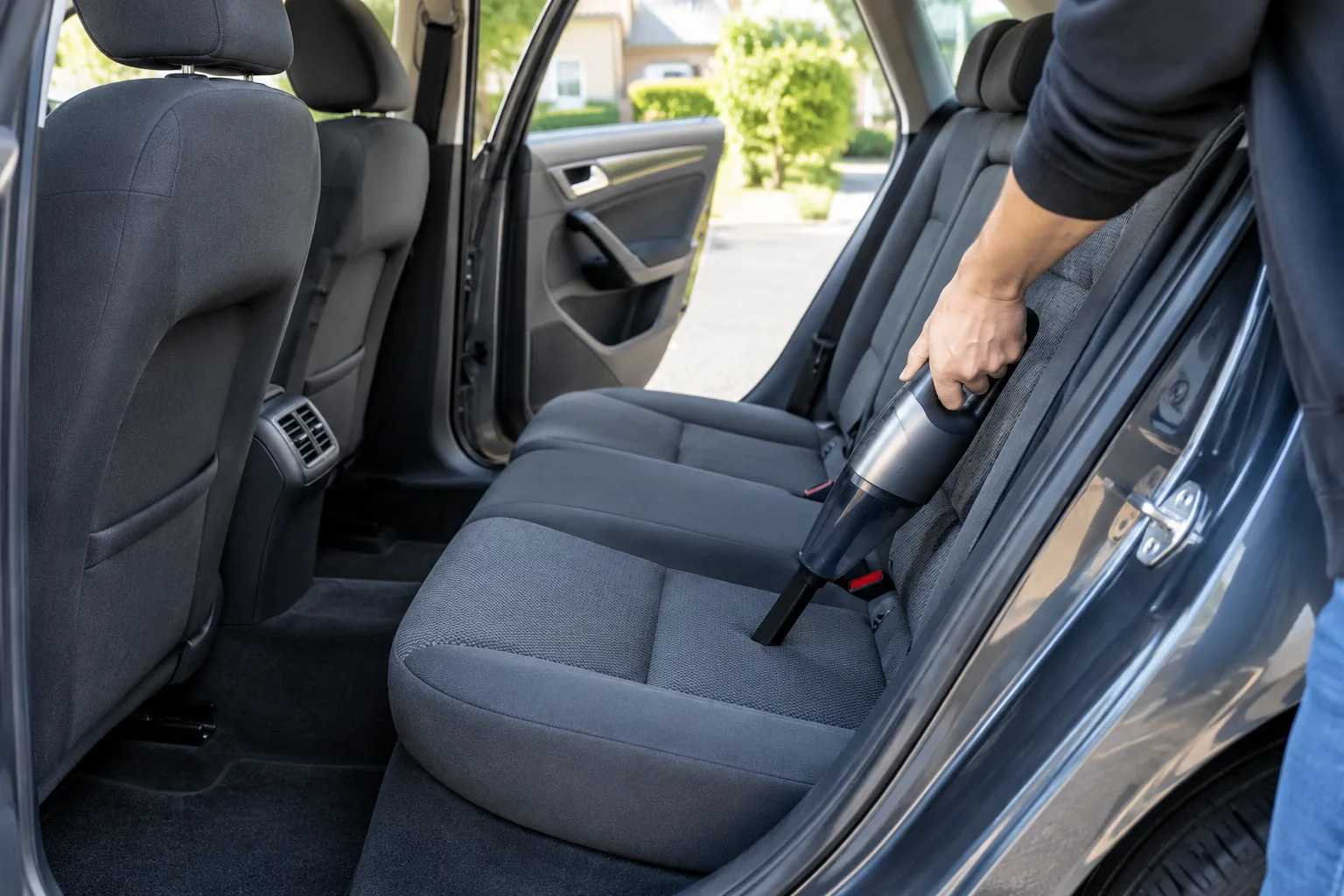
Wet cleaner turns crumbs, sand and pet hair into mud that grinds into the weave. Vacuum first, every time. Slide the seat fully forward and then back to reach the rails, and push the crevice tool into the seam where the backrest meets the cushion.
A brush attachment lifts debris from fabric, and a crevice tool reaches the gaps where crumbs collect. If the seats are heavily soiled, brush the surface lightly with a dry brush first to loosen dirt crumbs from the fibers, then vacuum again.
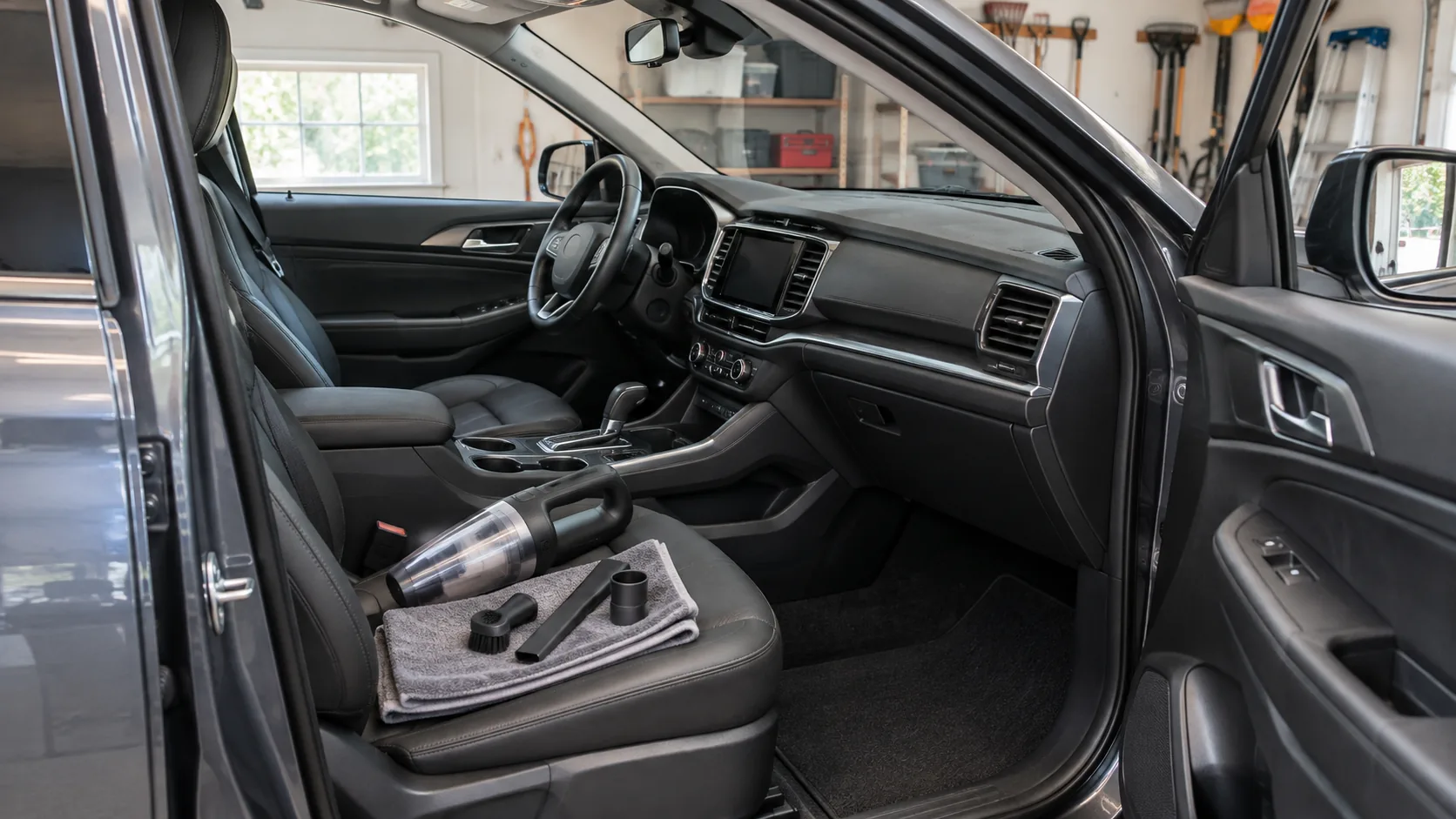
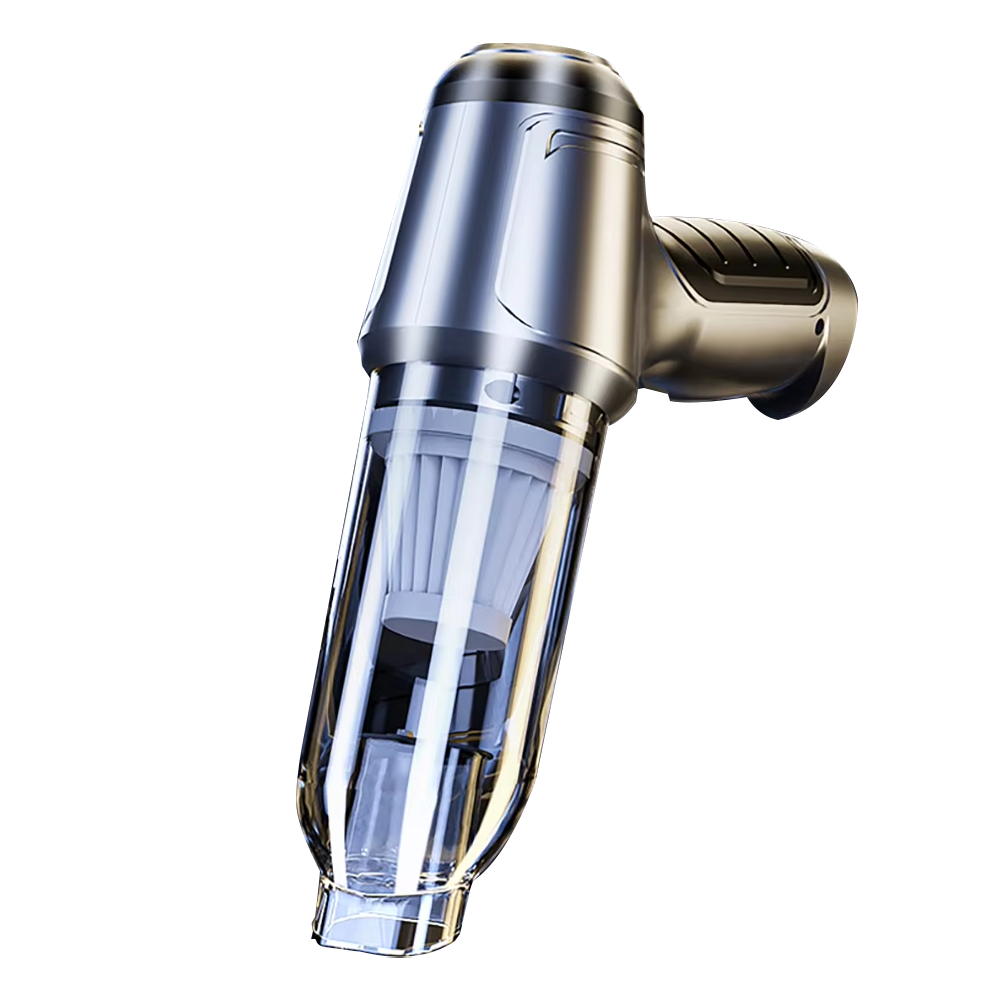
A cordless car vacuum lets you work through the cabin without dragging a cord from the house. The ClearDrive Pro is a cordless car vacuum with a built-in rechargeable battery and a USB charging cable. One switch changes it between vacuum and blower modes, and six attachments cover seats, gaps, mats and vents, including a slim crevice tool and a brush head.
Use the brush head on upholstery and the crevice tool for gaps and under-seat rails. Blower mode pushes dust out of vents and tight corners, so you can loosen debris before you vacuum it up. Two washable HEPA filters come in the box. To clean a filter, rinse it, let it dry completely, and then refit it. Press the one-touch release to empty the cyclonic dust chamber.
 In this guideClearDrive Pro$139.99View
For a deeper look at nozzle types and power sources, see What Makes a Good Car Vacuum Cleaner: Specs to Compare. You can also browse the Car Cleaning & Detailing collection for other interior tools.
Step 2: How to Clean Cloth Car Seats by Hand
If you are wondering how to clean a car seat without a machine, a spray bottle, a brush and microfiber towels are the basic kit. Work in small sections, such as half a seat cushion at a time, so the cleaner does not dry on the fabric.
- Open all the doors so air can move through the cabin.
- Mix the cleaner as the label directs. If you use all-purpose cleaner, dilute it as the label says.
- Mist the section lightly. Soaking the fabric pushes moisture into the foam, which makes seats slow to dry.
- Agitate with a soft or medium brush in overlapping circles. Use the softer brush on delicate or older fabric.
- Blot with a clean microfiber towel, pressing down to lift the dirty cleaner out of the fabric. Do not rub, which can spread the stain.
- Fold the towel to a clean face and repeat until little color transfers.
- Wipe the section with a towel dampened in clean water to pick up cleaner residue, then blot again.
Overlap each section slightly so you do not leave a line where one ends. Clean from the top of the backrest down so drips land on areas you have not done yet. Finish with the bolsters, headrests and the seat sides, which collect hand oils.
Using carpet cleaner on seats
Some carpet and upholstery shampoos are formulated for both, and the label will say so. Others are too strong for seat fabric. Read the label, test a hidden spot, and use the most dilute mix it allows. Apply it as a light foam or mist and blot the section with towels rather than flooding it.
Step 3: Leather and Vinyl Seats
Leather needs less water than fabric. Spray the cleaner onto a microfiber towel or a soft brush, not directly onto the seat, then wipe one panel at a time. Work a soft brush gently into perforations and the stitched seams, where body oils and dust collect.
Wipe the panel with a second towel dampened with clean water, then dry it with a third. Leave no standing moisture in the seams or perforations. If the manufacturer offers a conditioner for your leather, apply it only after the seat is fully dry and as the label directs.
Vinyl and faux leather follow the same sequence. Their textured grain holds dirt, so use a soft brush with the cleaner, then wipe. Skip harsh solvents and abrasive pads, which can scratch or dull the surface.
Step 4: Dry the Seats So Mildew Does Not Start
Mildew needs moisture, warmth and little airflow, and a closed car provides all three. Drying is part of knowing how to clean car seats, not an afterthought. Start by pressing dry towels firmly onto fabric to pull out as much water as you can before air takes over.
Drying checklist
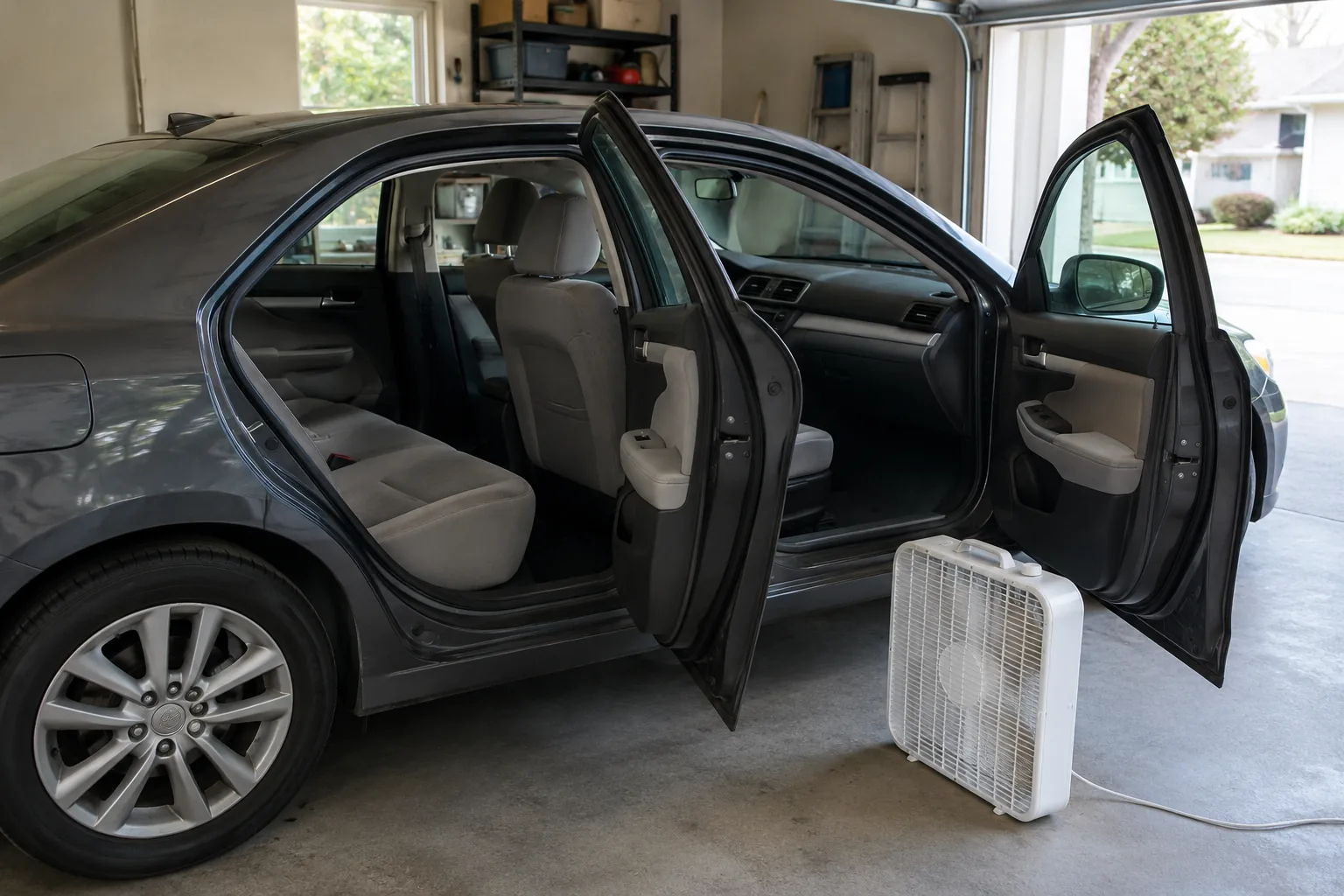
- Park in the sun or in a ventilated garage and open every door, or lower the windows if you must leave the car outdoors.
- Aim a household fan across the seats if you have a stable spot for it, away from foot traffic. Keep the cord and outlet away from water and damp towels, keep the cord clear of door seals, and follow the fan's manual.
- Press a dry towel into the seat, swap it when damp, and repeat.
- Push the seat fully forward and back to let air reach the underside and rails.
- Press your palm into the thickest part of the cushion. If it feels cool or damp, keep drying.
- Keep the car open, and stay off the seats, until they are dry all the way through.
Outdoors only, running the cabin fan on the heater setting with the windows open can add warm airflow. Do not run the engine in a garage or any enclosed space. Dry time depends on how wet the seats got, the weather and the airflow, so check by touch rather than by the clock.
Field note
Clean in the morning on a dry day. That gives the seats the whole day to air out before you close up the car, and a damp seat left overnight in a shut cabin is where musty smells begin.
Stains and Odors: What to Do for Common Problems
Handle stubborn stains as a separate pass after the general clean, so you do not wet the whole seat for one mark.
Baking soda for odors
Sprinkle baking soda lightly over dry fabric seats and leave it for several hours. Vacuum it up thoroughly using a brush attachment. It is useful for general odors on dry cloth, but it will not lift a set-in stain, and it should not be used on wet fabric, where it can clump.
Spot guide
| Spot | Approach |
|---|---|
| Coffee or soda on fabric | Blot first, then upholstery cleaner and a soft brush, then blot with clean water |
| Grease or food | Scrape off solids, apply cleaner to a towel, and dab from the outside inward |
| Ink on leather | Use a cleaner the leather maker lists; ask a detailer if the mark is large |
| Musty smell with no visible stain | Check under the seat and the carpet below for damp, then dry them fully |
Always blot a fresh spill before anything else. For visible mold growth, a spreading smell or a leak, find and fix the water source before cleaning, and consider asking a professional detailer.
Seat Belts and Child Seats
For a seat belt, follow the vehicle manual. If the manual allows cleaning, mild soap and a damp cloth are the usual starting point. Do not soak the belt, and skip steam or high heat unless the manual allows it. Let the belt dry fully extended before it retracts.
A child seat has its own rules. Follow the child seat maker's manual for removing and washing the cover and for cleaning the harness straps, and do not use cleaners or methods the manual does not list. Let covers dry fully before you refit them.
Common Mistakes
- Skipping the vacuum, which turns dirt into paste.
- Soaking the cushion so the foam holds water.
- Scrubbing hard with a stiff brush on delicate fabric or leather.
- Leaving cleaner in the fabric, which attracts new dirt and leaves a stiff patch.
- Using household bleach or strong solvents on upholstery.
- Closing the car before the seats are dry.
A Simple Care Schedule
Light upkeep spaces out the full job. Adjust the timing to how you use the car, with kids, pets, work gear or muddy boots calling for more frequent passes.
- Weekly or every few weeks: vacuum the seats and floor, and wipe leather with a dry microfiber.
- Monthly: damp wipe on leather and vinyl, and spot clean any marks on fabric.
- Twice a year: repeat how to clean car seats from Step 1, then apply conditioner on leather if the maker offers one.
- After any spill: blot right away and let the area dry with the doors open.