Where to Put Rodent Repellent in a Car: Engine Bay and Cabin Spots
Place a plug-in repeller in the cabin by a 12V outlet and keep anything in the engine bay clear of belts, fans and hot parts. This guide maps the spots and adds a weekly check.
The Quindrel Team
November 18, 2026 · 7 min read
Where to put rodent repellent in car spaces depends on the zone: a plug-in unit goes in the cabin near a 12V outlet, while anything used in the engine bay has to sit clear of belts, fans, the exhaust and other hot or moving parts. Rodents look for shelter, so the goal is to make the spots they pick less attractive and to check those spots on a schedule.
This guide maps where rodents nest and chew, shows where a repeller should and should not go, and ends with a weekly routine. Follow your vehicle manual and the repellent's instructions, and ask a mechanic if you are unsure what is safe to place near the engine.
Where rodents nest and chew in a vehicle
Rodents use a parked vehicle as a sheltered nesting spot. The engine bay offers warmth after a drive, tight gaps and plenty of soft insulation. The cabin offers fabric, crumbs and quiet corners.
Chewing tends to show up on wires and hoses, so knowing the usual spots tells you where to look and where to place a deterrent.
| Area | What rodents find there | What to check |
|---|---|---|
| Top of the engine bay, under the hood insulation | Warm, sheltered space and soft material | Shredded insulation, droppings, nesting debris |
| Around the wiring harness and sensor leads | Wires that are easy to reach | Bite marks, exposed copper, frayed sheathing |
| Air filter box and intake area | Enclosed space with openings | Stored food, leaves, seeds, chewed edges |
| Cabin air intake near the base of the windshield | A path into the ventilation system | Debris in the cowl area, odd smells when the fan runs |
| Under seats and in the glove box | Crumbs, wrappers, fabric | Wrappers, gnawed fabric, droppings |
| Trunk and spare tire well | Dark, undisturbed space | Nesting material, chewed carpet |
Where to put rodent repellent in car cabins and engine bays
Treat the cabin and the engine bay as separate jobs. They have different heat levels, different moving parts and different kinds of repellent that fit.
Cabin spots
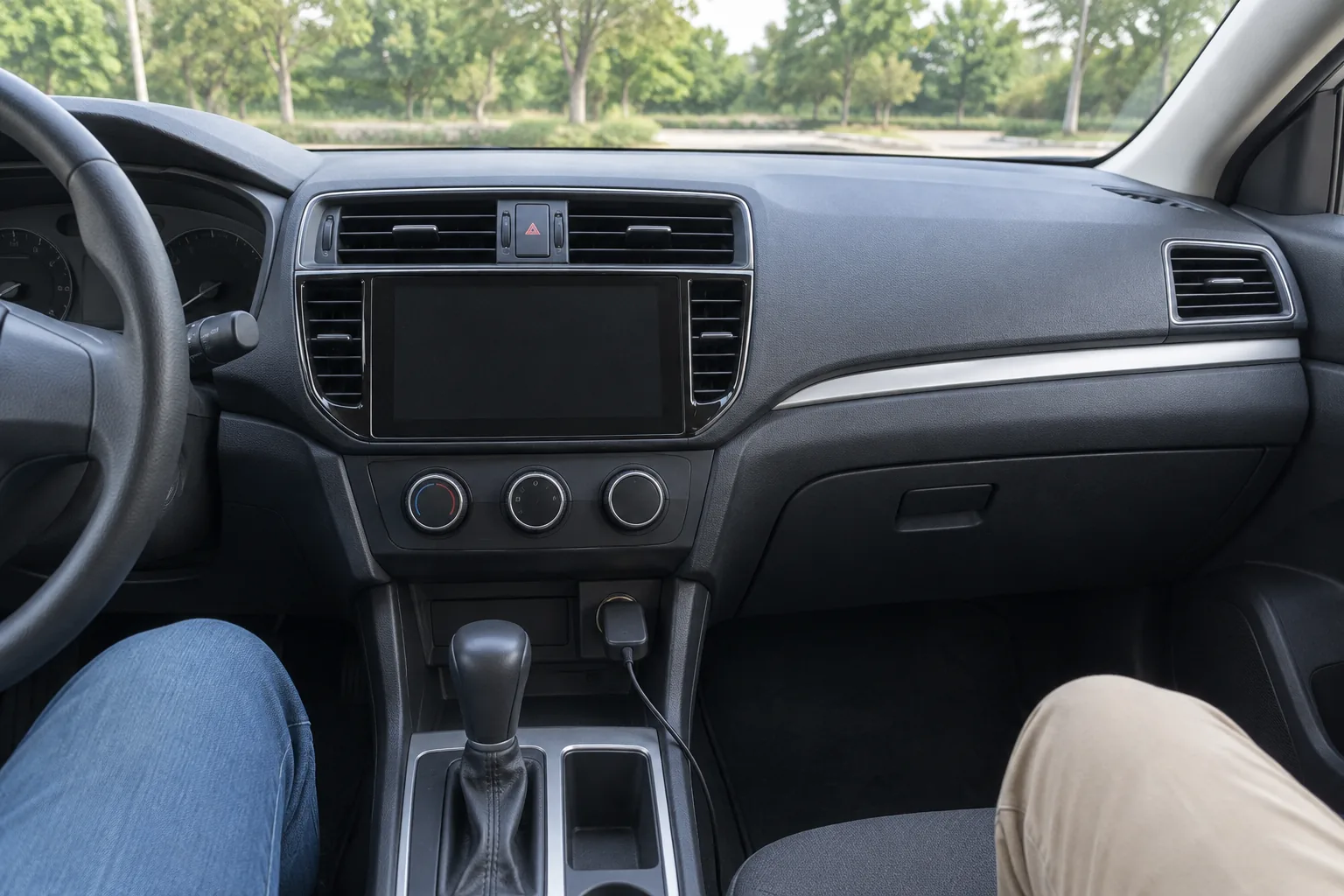
A plug-in unit belongs where the 12V outlet is, because that is how it gets power. Pick an outlet where the unit sits flat and where the cord does not cross the pedals, the shifter or the airbag area. A spot on or tucked into the dash keeps the unit out of the way of passengers and cargo.
Keep the sound path open. Do not bury the speakers under a jacket, a sun shade or loose items, and clear cargo that could block the output. If your outlet only has power when the ignition is on, check the manual for how your vehicle behaves when parked.
You can also reduce cabin appeal with a few habits: remove food and wrappers, shake out floor mats, and keep the glove box and trunk free of paper and fabric piles. Our guide to using a windshield sun shade is useful too, since you can stow a shade so it does not leave a soft pile on the dash or seat.
Engine bay spots
The engine bay is where caution matters most. The rule is simple: place nothing loose near drive belts, cooling fans, the exhaust manifold, turbocharger parts or the battery terminals. A loose item can get caught or melt, and anything that gets caught in a belt can damage the engine.
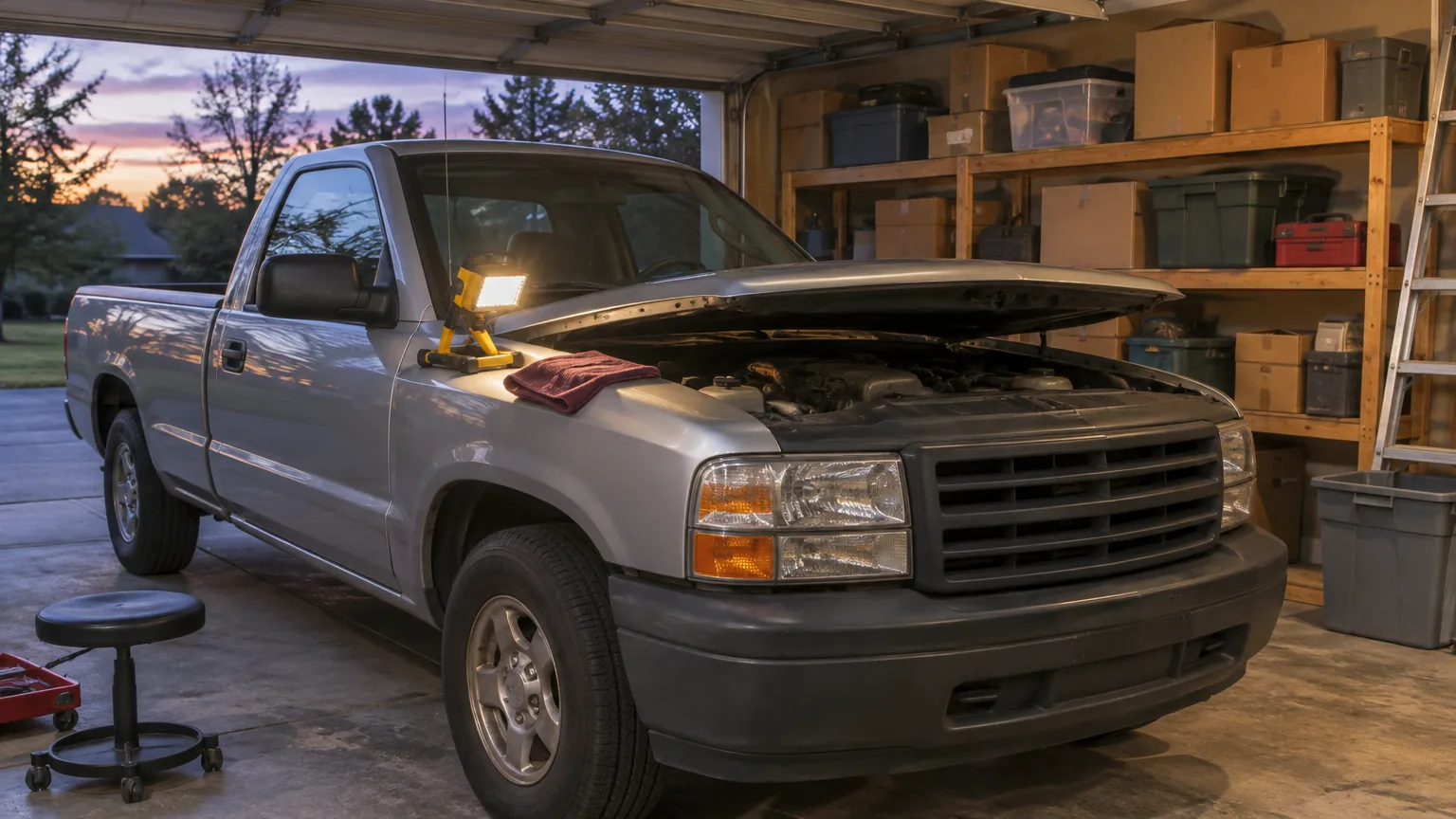
Leave the hood open during the day when you park in your own garage, if the location allows it. Rodents seeking shelter prefer closed, dark spaces, and a hood open with a light shining in makes the bay less attractive. Close it before you drive.
If you want to add a deterrent under the hood, choose a product made for engine bays, read its label, and mount it only where the instructions say. When the manual does not name a spot, ask a mechanic. Do not guess near hot or moving parts.
Which type of repellent goes where
Different repellents have different placement rules. This table summarizes the general options so you can match each one to a zone.
| Type | Where it fits | Keep it away from |
|---|---|---|
| Plug-in ultrasonic and strobe unit | Cabin, in or near a 12V outlet | Pedals, loose cargo, anything that blocks the speakers |
| Scented spray or wipe | Hard surfaces and the edges of the engine bay, per the label | Belts, hot parts, electrical connectors, painted trim unless the label allows it |
| Peppermint oil on a cotton ball | A closed container or a cup holder in the cabin or trunk | Direct contact with upholstery, and any hot or moving part |
| Dryer sheets | Trunk, cabin corners or the garage floor around the vehicle | Belts, fans and the exhaust, where a loose sheet can catch or burn |
| Wrap or tape for wiring | Exposed harness runs, following the label | Moving parts and heat sources |
On the question of dryer sheets in the engine: if you try them, do not lay them on the engine or tuck them near the belts. Scent loses strength as it fades, so replace the sheets on a schedule and treat them as one small step, not a barrier. The same goes for peppermint oil: the scent fades, so you have to refresh it, and any soaked item must stay away from heat.
Mothballs contain pesticides. We do not suggest putting them in a cabin or a vehicle where you breathe the air. If you use any chemical product, follow the label and ventilate.
Using a plug-in repeller in the cabin
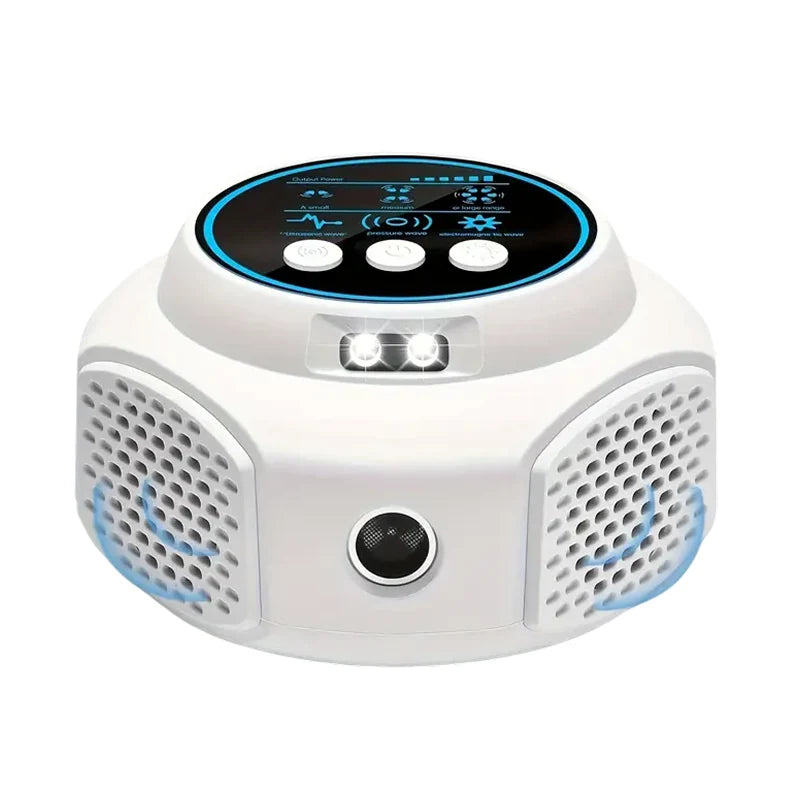
For the cabin, CritterHalt is a plug-in car rodent repellent that combines ultrasonic waves with LED strobes. It runs from a 12V outlet in a car, truck, RV or boat, so there are no sprays to apply. Four speakers spread sound around the cabin, and a touch panel sets the power level and the wave pattern.
It measures 7.6 cm tall and 12 cm wide (about 3 by 4.7 inches), so it tucks into a dash and moves from one vehicle to another. The box includes the unit, a Quick-Start User Guide and a 12V power adapter. Leave it plugged in and it keeps running while the vehicle is parked and powered off.
 In this guideCritterHalt$59.99View
Make the car less attractive to rodents
A repeller works as one part of a plan. The rest is about removing what draws rodents to the vehicle in the first place.
- Park away from woodpiles, tall grass, bird feeders and dumpsters when you can.
- Keep pet food, birdseed and garbage in sealed bins away from the parking spot.
- Clean out food, wrappers and paper from the cabin and trunk.
- Keep the garage tidy and store boxes and fabric off the floor near the vehicle.
- Seal gaps in the garage where rodents can come in, using materials suited to the job.
If a vehicle sits for a long time, start it and move it on a regular basis. A vehicle that is moved and handled is less of a stable shelter than one that sits untouched.
Weekly check routine
A short routine tells you early whether rodents are active. Do it on the same day each week, with the engine off and cool.
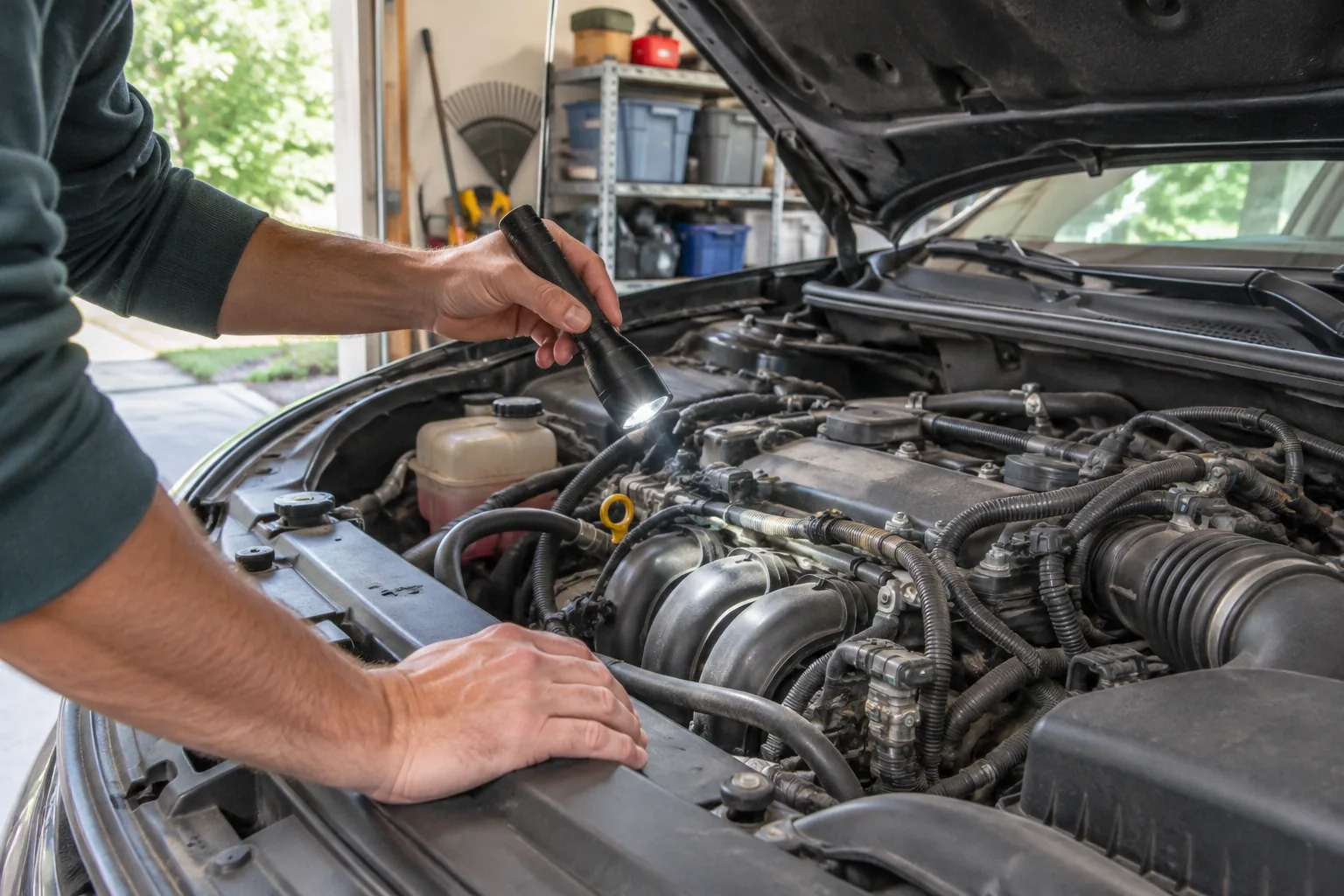
- Open the hood and look across the top of the engine bay with a flashlight. Check the insulation, the wiring and the air filter box for debris, droppings or chew marks.
- Look at the wiring harness and sensor leads for bite marks or exposed copper. If you find damage, do not drive; ask a mechanic.
- Check the cowl area at the base of the windshield and clear leaves and seeds.
- Inside the cabin, look under the seats, in the glove box and in the trunk for wrappers, nesting material or gnawed fabric.
- Confirm the plug-in unit is seated in the outlet, its panel shows your chosen settings and the speakers are not blocked.
- Refresh any scent-based item and remove old ones from the engine bay.
- Close the hood, and write down what you found so you can see changes from week to week.
If an outlet looks loose or the unit does not power on, our guide to electric tester types shows which tool checks car circuits. Disconnect the unit before you inspect the outlet, and follow the manual.
Field note
Take a photo of the engine bay each week from the same angle. Comparing pictures makes new chew marks or nesting debris easy to spot.
Common mistakes to avoid
- Placing loose items near belts, fans or the exhaust.
- Relying on one scent product and not refreshing it.
- Blocking the speakers of a plug-in unit with cargo.
- Skipping the check after finding droppings; wiring damage can be hidden.
- Leaving food in the cabin while a repeller runs.
- Using chemicals in the cabin without ventilating or reading the label.
If your cabin needs more than a repeller, browse the Cabin Comfort collection for other items that keep the interior in order.