What Are Sheep Shears? Blade Shears vs Electric Clippers
Sheep shears are cutting tools made to remove a fleece: either hand-operated blade shears or electric shears with a motor. Here is how to choose between them.
The Quindrel Team
October 17, 2026 · 7 min read · Updated October 28, 2026

What are sheep shears? They are cutting tools built to remove a sheep's fleece in long, smooth passes close to the skin. They come in two types: hand blade shears, which work like a spring-loaded pair of scissors, and electric shears, which use a motor to move a cutter across a fixed comb.
Which one suits you depends on three things: how many animals you have, what kind of fleece they carry, and how much shearing experience you have. This guide compares both types, explains the parts, and walks through the decision, the setup and the upkeep.
What are sheep shears, exactly?
The term covers any tool made for cutting wool close to the skin. Unlike garden shears or household scissors, sheep shears are shaped for dense fleece. That purpose sets the blade length, the handle and the way you hold the tool.
This guide covers sheep. Cattle, goats, dogs and other animals call for tools made for their coats, so check what a tool is intended for before you use it.
Hand blade shears
Hand shears are two blades joined by a U-shaped spring handle. You squeeze the handles to close the blades and let the spring open them again. People also call them blade shears, hand shears or sheep shearing scissors. With no motor and no cord, you can carry them to any pen or pasture.
Antique or vintage sheep shears turn up at sales and in collections. Age, rust and worn edges can make them hard to control on a working flock, so inspect them closely before any use.
Electric shears and clippers
Electric sheep shears, often listed as sheep shears clippers, have a motor that drives a moving cutter against a stationary comb. You guide the head across the body while the motor does the cutting. Some models also handle thick horse coats. Hanging-frame shearing machines are a larger version of the same idea, used by people who shear many animals.
The shearing head: comb and cutter
On an electric unit, the comb and cutter pair is the part that does the work. The comb is the fixed toothed plate that rides against the skin, and the cutter is the moving blade that slides over it. Both wear with use, so blade changes and alignment checks are a regular part of owning one. Hand shears have no separate head, so their equivalent job is keeping both edges sharp and aligned.
Blade shears vs electric clippers: comparison table
| Factor | Hand blade shears | Electric shears |
|---|---|---|
| Power source | Your hand; no cord or battery | Mains power (or battery on some models) |
| Suited flock size | A few animals, or touch-ups | Small flocks and up |
| Fleece type | Fine to medium fleece; dense wool means more hand work | Dense wool and thick coats, with blades kept clean and oiled |
| Skill needed | Takes practice; long smooth strokes and animal positioning both matter | Also takes practice; handling the animal and the running head both need care |
| Sound | No motor | Motor noise |
| Setup | Almost none | Cord, outlet, oil, blade changes |
| Maintenance | Sharpening, oiling, drying | Cleaning, oiling, blade changes; see the manual for carbon brushes |
Neither type removes the need for practice. A calm animal, a clean dry fleece and a steady stance count for as much as the tool you pick.
How to choose by flock size, fleece and skill
- Count your animals. For one to three sheep, hand shears are a reasonable fit. As the flock grows, the amount of hand work adds up, and an electric unit is worth considering.
- Look at the fleece. Dense, long or matted wool asks a lot of hand blades. Short, fine fleece or a trim around the face and legs suits hand shears.
- Be honest about skill. Shearing asks for controlled strokes and good positioning of the animal. If you are new, watch an experienced shearer in person or contact your local extension office before your first attempt.
- Check your power. Electric shears need an outlet close to a dry, clean work area, plus a suitable extension cord if one is needed. Check the manual and ask an electrician if you are unsure. If your shearing spot has no power, hand shears or a battery model suit the site.
- Plan for maintenance. Both types need oiling and clean storage. Electric units add blade changes, and the user manual covers their carbon brushes.
Local farm supply stores, sheep associations and extension offices are practical places to handle real shears and ask questions before you buy.
An electric option for sheep and other livestock
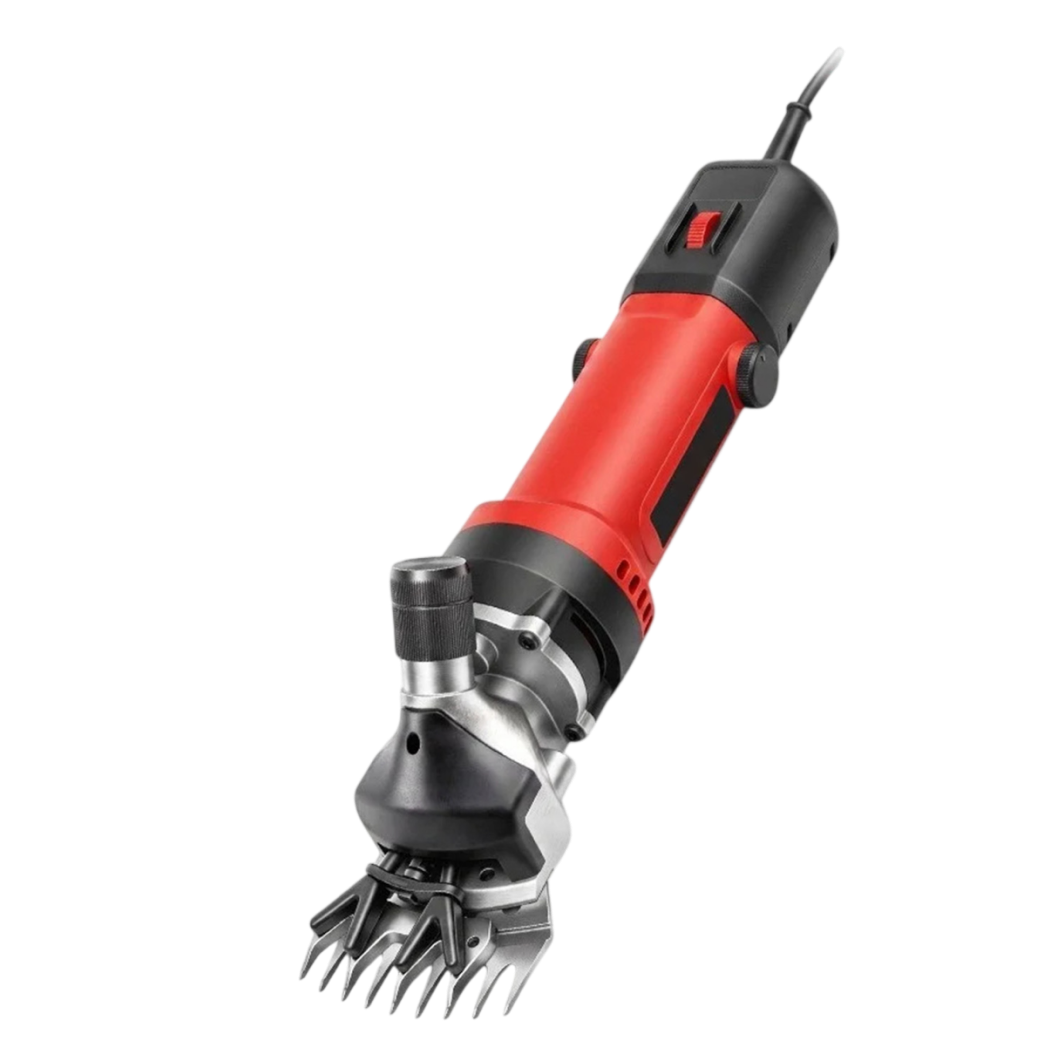
If your decision lands on electric, the RanchShear Elite is an electric sheep shear for sheep and other thick-coated livestock. It has a six-speed motor, titanium-hardened blades and an alloy housing. The dial is set low for the belly and legs and higher on the open body, and the blades are guided with the direction of growth instead of being forced through the wool.
 In this guideRanchShear Elite$249.99View
The blade alignment can be adjusted, and the included T-wrench is the tool for blade changes. The kit also contains a cleaning brush, an oil bottle, carbon brushes and a user manual. The body weighs 2.8 kg (about 6.2 lb).
This shear is made for sheep wool and other livestock coats. It is not intended for small pets such as dogs or cats, so keep it to livestock grooming. If you were hoping to use sheep shears for dogs, choose clippers made for dogs instead.
Setup checklist before you shear
Preparation shapes the session as much as the tool does. Run through this list before you pick up the shears.
- Dry fleece and dry floor. Keep the animal indoors or under cover the night before if rain is likely.
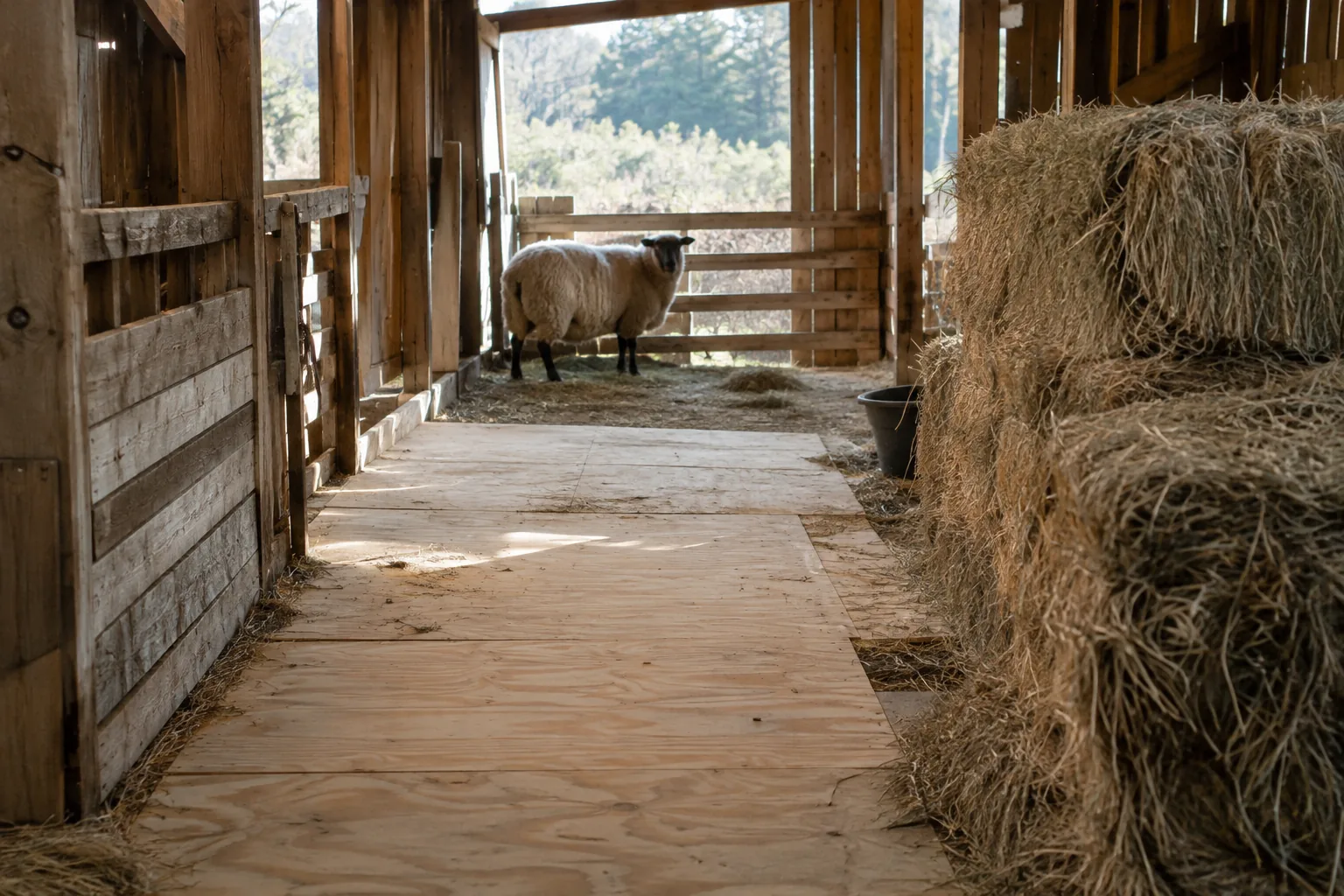
- Clean surface. Lay down boards or a clean tarp so wool stays free of dirt and straw.
- Power check (electric). Inspect the cord and plug for damage, plug into a dry outlet, and keep the cord clear of your feet and the animal.
- Blades ready. Oil the blades as the manual describes and confirm the comb and cutter are fitted correctly.
- Second person. Have a helper nearby in case the animal struggles or the tool needs to be shut off quickly.
- First aid on hand. Keep a basic animal first-aid kit close and know your veterinarian's number.
Field note
Power down and unplug the shear before changing blades, adjusting alignment or clearing wool from the head. Follow the user manual for each step.
Why you should not shear a wet sheep
Wet wool is harder to cut cleanly, and the blades tend to drag and bind. Shorn wool that is stored damp can also mold in the bag, which spoils the fleece.
With electric tools there is a second reason: water and mains electricity do not mix. Make sure the animal is fully dry, work in a dry space, and ask a licensed electrician if you are unsure about outlets or cords in a barn.
Can you shear a sheep yourself?
Yes, many small-flock owners do. Start with a calm animal, a helper, and a plan for how you will hold and position the sheep. Short practice sessions on a calm animal teach more than a rushed first try on the whole flock.
Your local extension office, a sheep association or an experienced shearer can show you positioning and stroke patterns in person. A veterinarian can advise on animal handling and on what to do if an animal is cut during shearing.
Can you use hair clippers on a sheep?
Ordinary hair clippers, including dog and human clippers, are not made for dense, greasy wool. Their small blades clog and the motor is not designed for that load. Using them on a full fleece usually leads to a ragged result and a strained tool.
So what are sheep shears, in practice? They are tools matched to the animal's coat, with heavier housings and cutters for the job. Hoof care is a separate task with its own tool: hoof shears for sheep are trimmers made for hooves, not fleece, so do not swap one for the other.
Common mistakes and care schedule
Mistakes to avoid
- Shearing damp wool or working on a wet floor.
- Forcing the blades through matted wool instead of adjusting pressure and angle.
- Skipping oil on the blades.
- Rushing the first animals instead of practicing on a calm one.
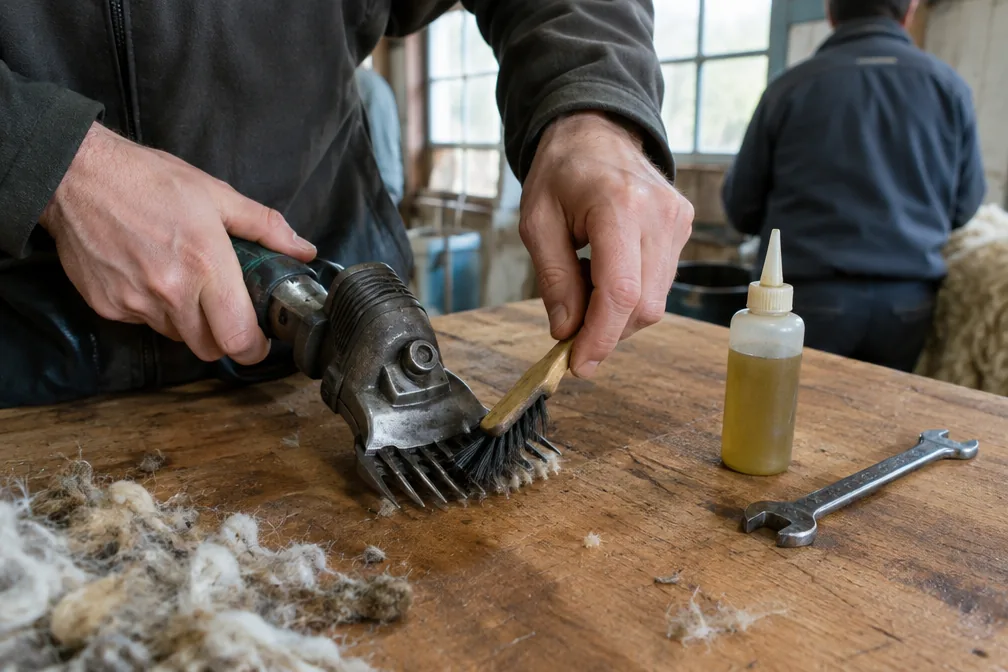
- Leaving wool packed inside the shearing head after use.
Care after each session
- Power down and unplug the shear.
- Brush wool and debris off the housing and blades.
- Oil the blades.
- Refer to the user manual for carbon brush and blade alignment checks.
- Store the shear dry and clean, in a place that fits its size.
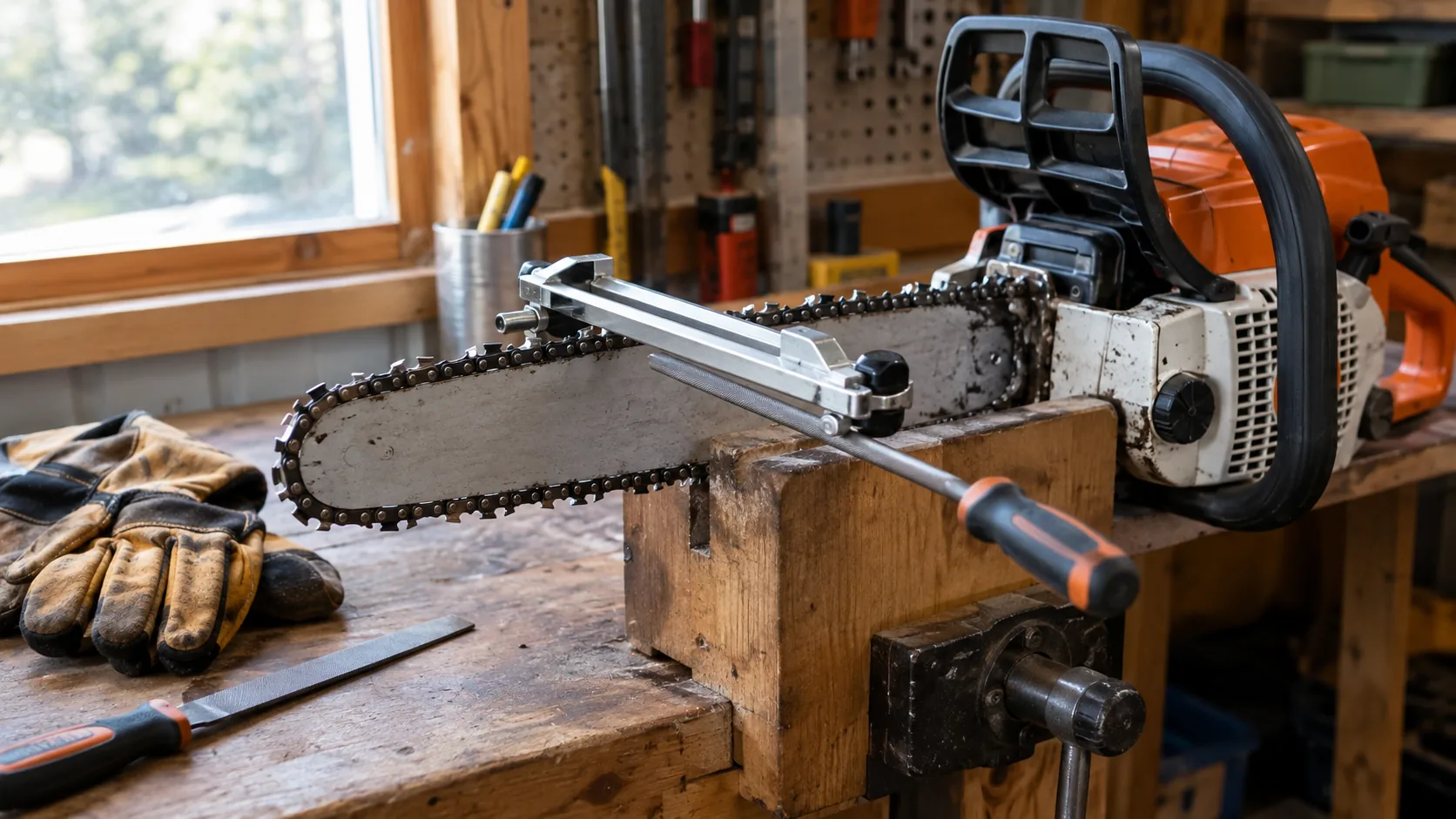
Hand shears need a similar routine: wipe, dry, oil lightly and keep the points protected. For general powered-tool upkeep habits, see our pressure washer servicing checklist. For other cutting tools around the property, browse the Chainsaws, Pruning & Tree Care collection.