What Is a Trickle Charger? Trickle vs Maintainer vs Smart Charger
A trickle charger feeds a battery a small, steady current. Here is how it differs from a float maintainer and a smart charger, and which one fits winter storage, a motorcycle or a drained battery.
The Quindrel Team
November 6, 2026 · 7 min read

What is a trickle charger? It is a basic battery charger that sends a small, steady current into a battery, typically a 12V lead-acid one, to top it up slowly. A simple trickle charger has no shutoff, so you watch it. A float maintainer or smart charger adjusts its output and can stay connected for storage.
The words get mixed together, which is why it is easy to buy the wrong box. This guide separates the three types, shows how to connect each one, and helps you choose for winter storage, a motorcycle or a drained battery.
What is a trickle charger, and how does it work
A classic trickle charger applies a low, fixed current for as long as it is plugged in. It does not read the battery. When the battery is full, the current keeps flowing, and a lead-acid battery left on one for weeks can be overcharged. Overcharging can heat the battery and boil off electrolyte in flooded types.
The idea is to offset natural self-discharge of the battery. A low current can also cover the small parasitic draw from clocks, alarms and computers that keep pulling power while a vehicle sits. That only works if you unplug the unit at the right time.
Some products sold as trickle chargers today include electronics that taper or switch off. Check the product page and manual for what the unit does once the battery is full.
Trickle charger vs battery maintainer vs smart charger
The difference is whether the charger watches the battery. A trickle charger does not. A battery maintainer does, and it drops into a float stage when the battery is full. A smart charger runs several stages and often has modes for different battery types.
| Type | What it does | Can stay connected? | Fits |
|---|---|---|---|
| Basic trickle charger | Constant low current, no monitoring | Only with supervision | Short top-ups you can watch |
| Float maintainer | Monitors charge, moves to float when full | Yes, by design | Winter storage, seasonal vehicles |
| Smart charger | Multi-stage charging, selectable battery modes | Often, if it has a float or maintenance stage | Mixed batteries, topping up and storage |
| Jump-start charger unit | Portable, clips on to start a weak battery | No, kept for occasional use | Roadside or garage starts |
If a charger lists a float stage or maintenance mode, it is closer to a maintainer than to a plain trickle charger, whatever the box calls it.
Trickle charger vs a regular battery charger
A regular charger is built to put charge back into a low battery, then be unplugged. A trickle charger or maintainer is built for the long wait afterward. If you need to refill a drained battery, use a charger with a defined end of charge. If you need to hold a full battery through storage, use a maintainer with a float stage.
When to use a trickle charger or maintainer
Winter storage
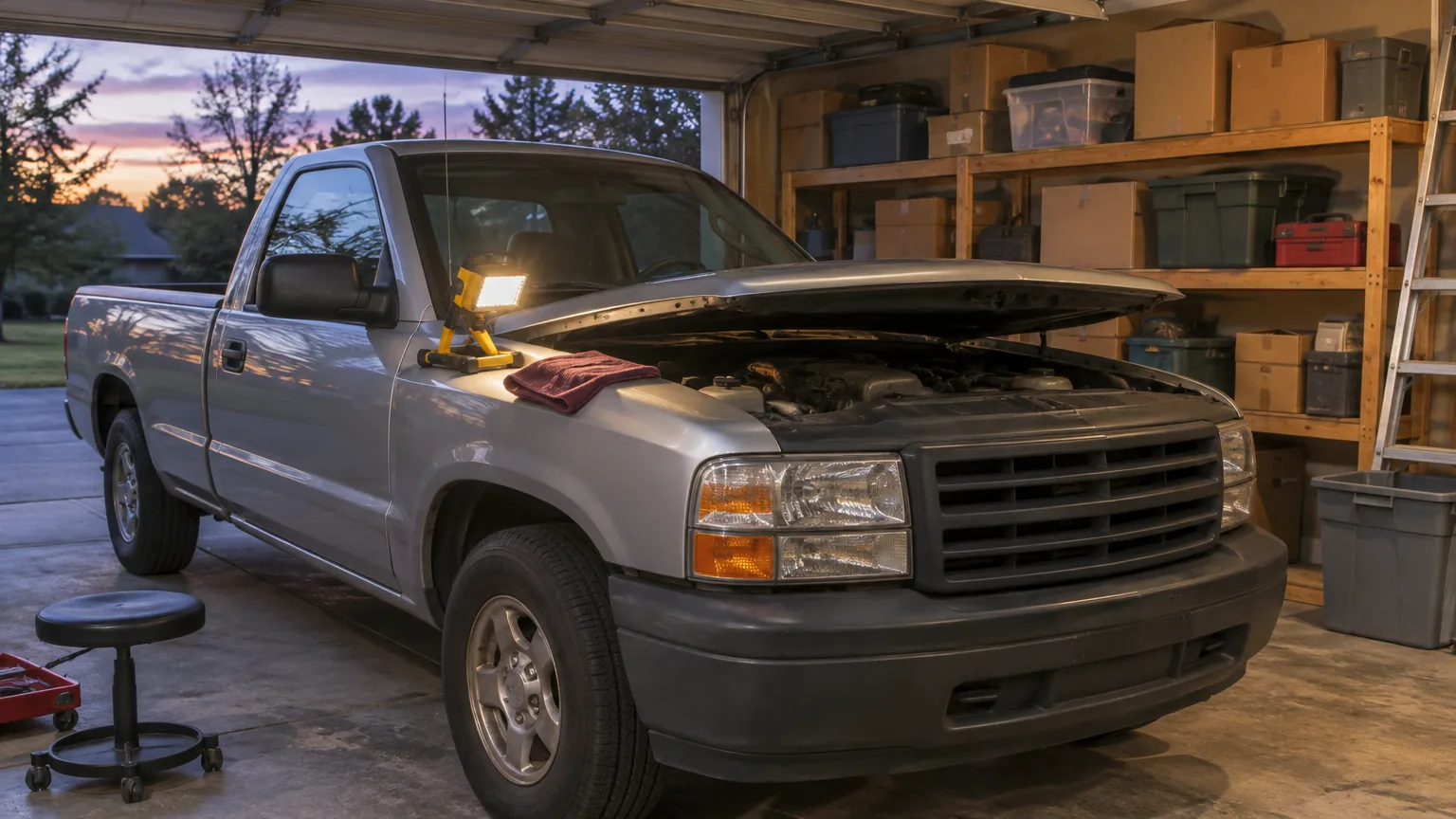
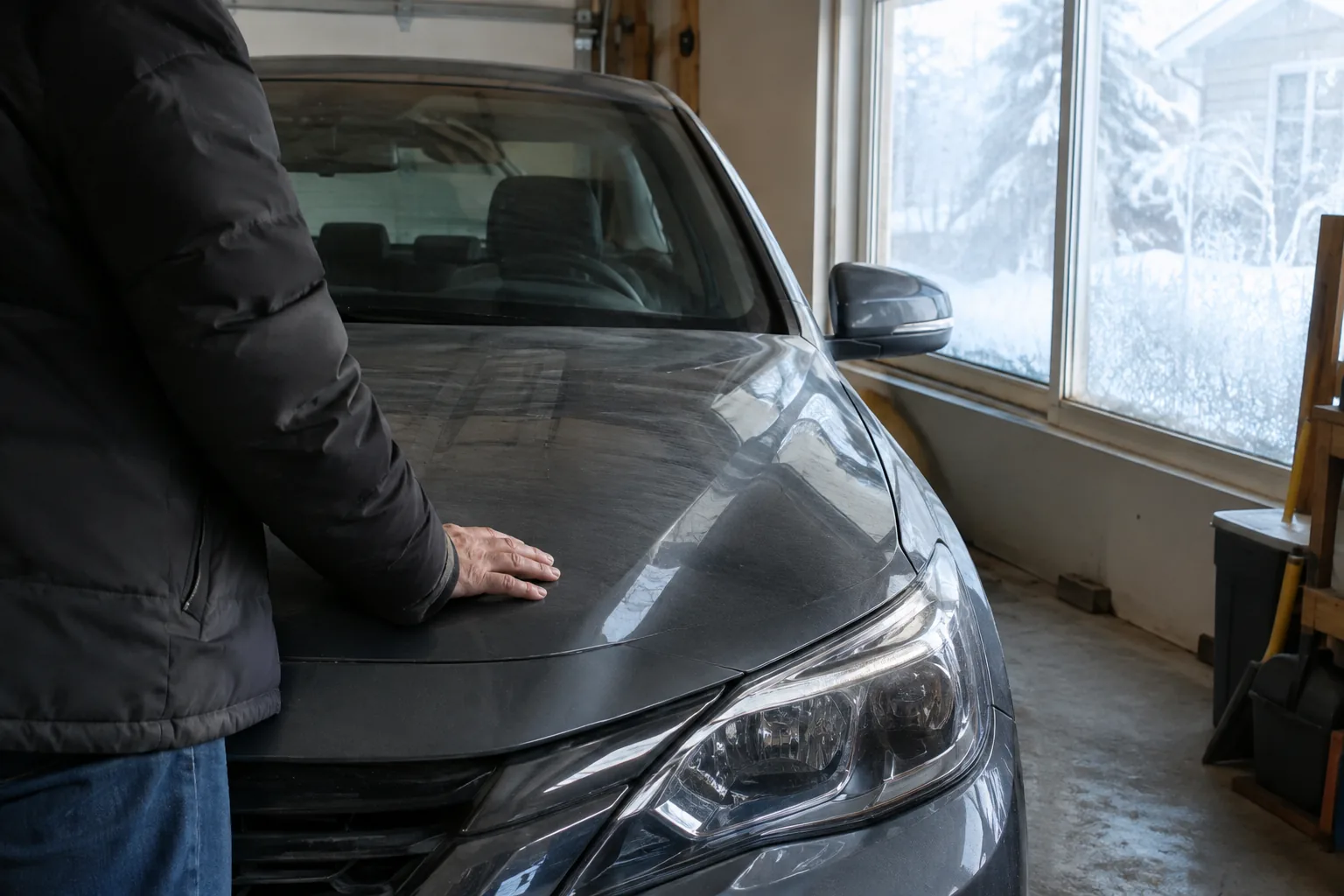
A car, truck, boat or lawn tractor that sits for months loses charge to self-discharge and parasitic draw. A cold battery also gives up less power, so a weak one shows itself on the first cold morning. For storage, choose a unit with a float stage and leave it connected.
Park the vehicle within reach of an outlet, in a ventilated space. If it is parked away from power, some solar trickle units exist for 12V batteries. Check the product page and manual for the battery type and the connection they support.
Lead-acid vs lithium
Battery chemistry matters. Lead-acid batteries (flooded, AGM, gel) and lithium iron phosphate batteries use different charging profiles. A charger set for the wrong chemistry can undercharge or damage the battery. Read the label on your battery, then pick a charger or a mode that names the same chemistry.
Motorcycles and powersports
Bikes, ATVs and personal watercraft have small batteries and long idle periods, so a maintainer suits them. Check that the charger supports the battery voltage and chemistry on the label, since small batteries are easy to overcharge.
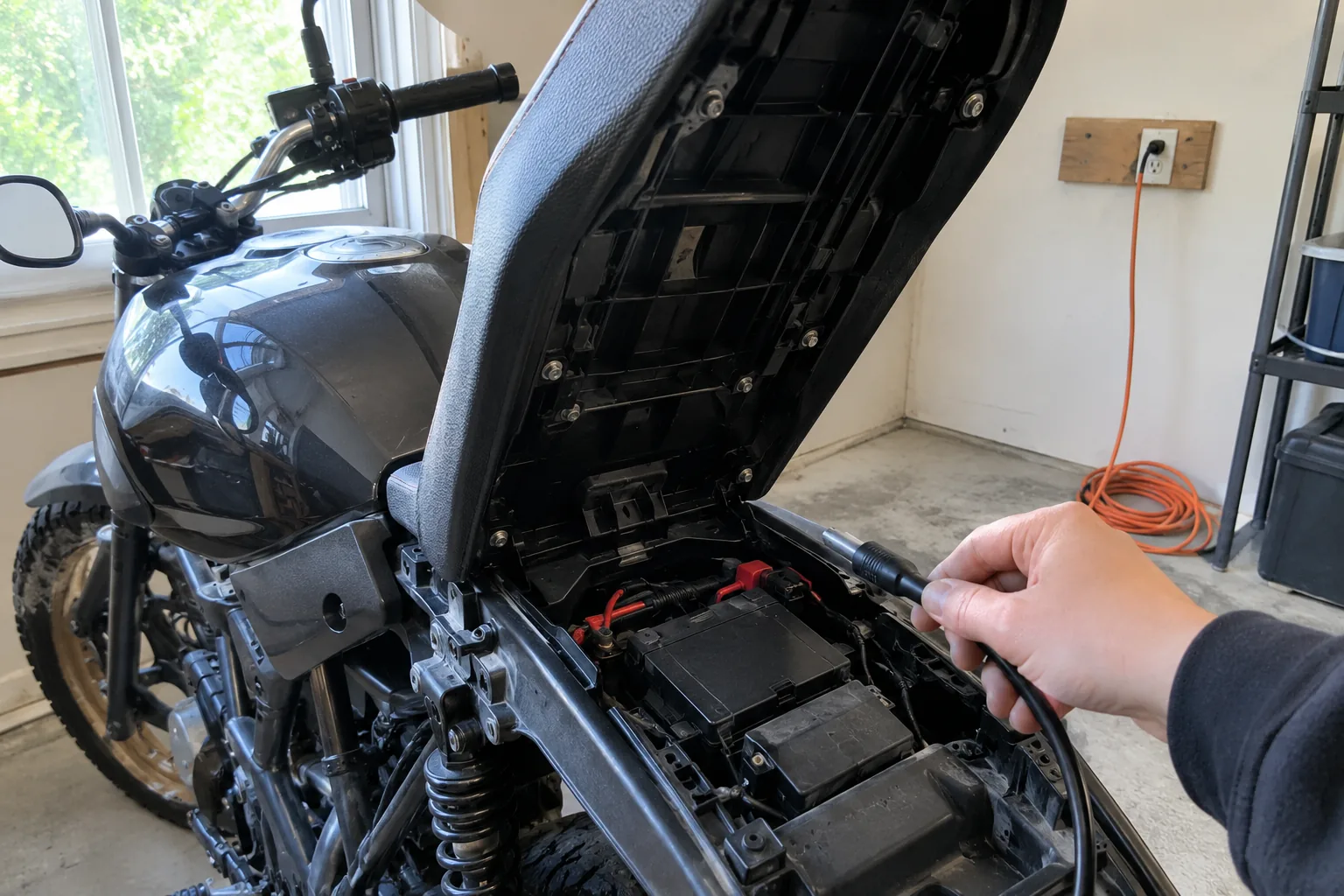
Some bikes have a permanent lead fitted to the battery, so you can plug in without opening the seat each time. If you add one, route it clear of moving parts and heat, and follow the charger manual.
How to connect a battery trickle charger
The steps are the same for a trickle charger, maintainer or smart charger. Follow your manual, work in a ventilated space, and keep sparks and flames away from the battery.
- Unplug the charger from the wall.
- Check the battery label for voltage and chemistry, and set the mode if the charger has one.
- Clip the red clamp to the positive terminal and the black clamp to the negative terminal. Make sure the clamps grip metal and do not touch each other.
- Plug the charger into the outlet.
- Read the indicator or display to confirm that it is charging.
- When finished, unplug from the wall first, then remove the black clamp, then the red.
If the battery is still in the vehicle, check the manual for whether to connect to the chassis ground instead of the negative terminal. For a longer walkthrough, see How to Use a Battery Charger for a Car, Step by Step, which covers the full procedure for a car battery.
Field note
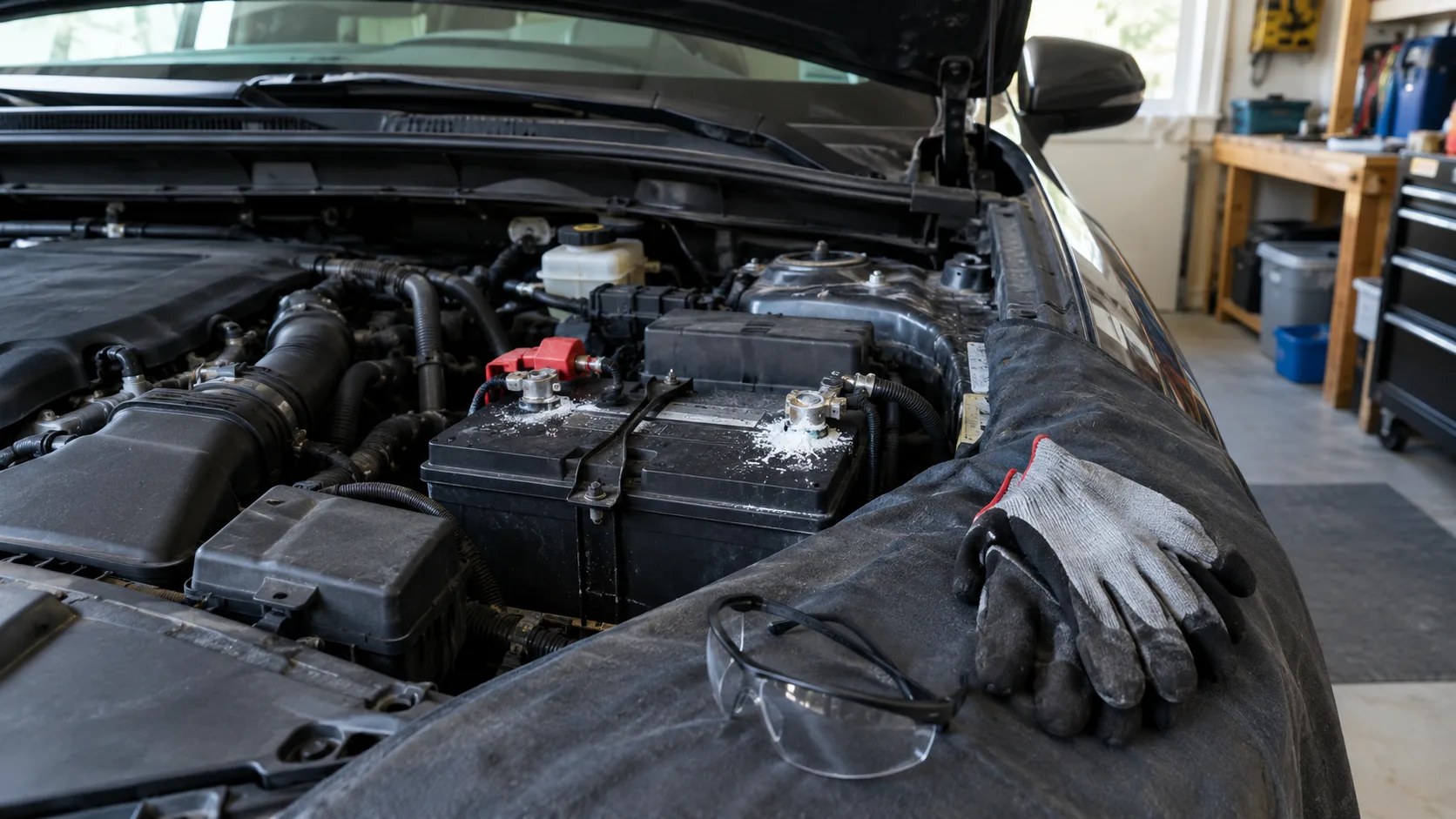
Before connecting, look at the battery case. If it is cracked, swollen or leaking, or the battery is frozen, do not charge it. Ask a qualified technician.
Will a trickle charger work on a dead battery
Sometimes, but not reliably. A plain trickle charger can only raise a battery that still holds some voltage, and it takes a long time. Some smart chargers and maintainers need to detect a minimum voltage before they start, so a fully drained battery may not register at all.
A battery that has been left deeply discharged for a long stretch can also be damaged by sulfation, a buildup on lead plates that limits how much charge it accepts. Some batteries cannot be brought back.
You have a few options for a drained battery:
- Use a charger whose manual lists a repair or low-voltage mode, and select it as the manual describes.
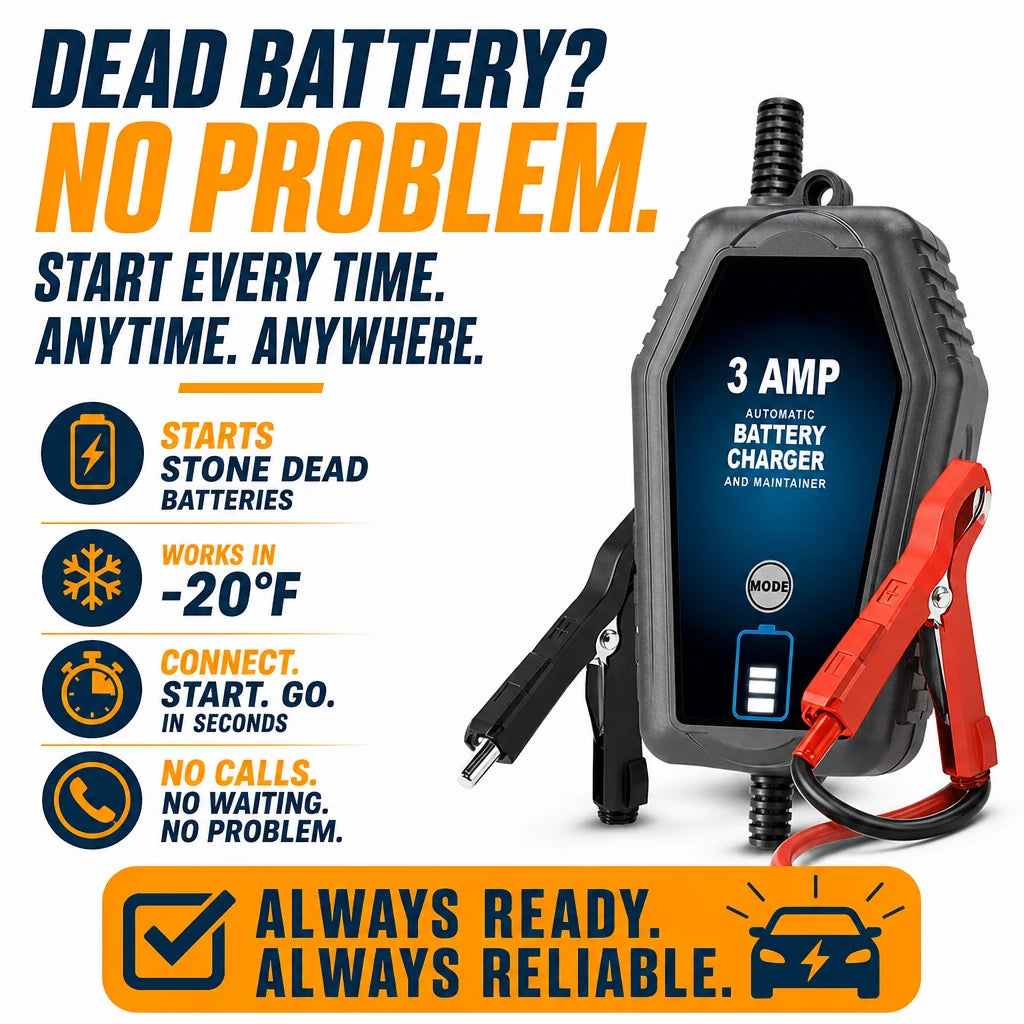
- Use a jump starter with a manual override. The VoltCore is a portable car battery charger and jump starter with clamp connectors that have reverse polarity protection. If the indicator stays red on a deeply discharged battery, the manual override button bypasses the low-voltage lockout. You hold the button, then continue with the normal start procedure.
- Ask a parts store or shop to run a load check on the battery if it will not hold a charge.
If the battery checks out but the engine still does not crank, the fault may be elsewhere. See How to Test a Starter and Starter Solenoid Without Guesswork for the steps to check the starter circuit.
 In this guideVoltCore$99.99View
VoltCore is a rechargeable unit that you keep in a vehicle or garage between uses. Recharge it on a schedule you choose, and check the indicator light before you rely on it. It also has USB output ports for phones and tablets and a built-in LED light with 7 modes. Check the user manual for storage temperature guidance before leaving it in a vehicle through hot or cold seasons.
How to choose: a decision guide
| Your situation | Choose | Check before buying |
|---|---|---|
| Car or truck stored for the winter | Float maintainer | Matches 12V or 6V; has a float stage |
| Motorcycle, ATV or boat battery | Maintainer or smart charger with a permanent lead | Lithium mode if the battery is LiFePO4 |
| Battery that is drained but still accepts a charge | Smart charger with a repair mode, if the manual lists one | Manual lists how it handles low voltage |
| Car will not start away from home | Jump-start charger unit | Indicator light, clamp type |
| Short top-up you will watch | Basic trickle charger | Plan to unplug when full |
Common mistakes
- Leaving a charger with no float stage connected for weeks.
- Choosing a mode that does not match the chemistry.
- Connecting clamps with the charger already plugged in.
- Charging a frozen, swollen or leaking battery.
- Skipping the manual, which lists connection and ventilation rules for that unit.
Browse the Battery, Tire & Air Care collection to compare the units that fit your battery.
Winter storage checklist
- Clean the battery terminals and check that the cables are tight.
- Identify the battery type from its label and pick the matching mode.
- Park the vehicle where an outlet is within reach, in a ventilated space.
- Connect clamps, plug in, and confirm on the display or indicator that charging has started.
- Check the battery and charger every few weeks for heat, swelling or odor, and follow the manual if anything looks wrong.
- In spring, unplug the charger, remove the clamps in order, and start the engine.
A maintainer with a float stage adjusts its output during the long wait. A plain trickle charger needs you to do the checking.