
What Is the Unit of Measure for Power? Watts Explained and Measured
The unit of measure for power is the watt, equal to one joule per second. Here is how watts differ from kilowatt-hours and how to measure a real appliance's draw.
The Quindrel Team
November 11, 2026 · 6 min read
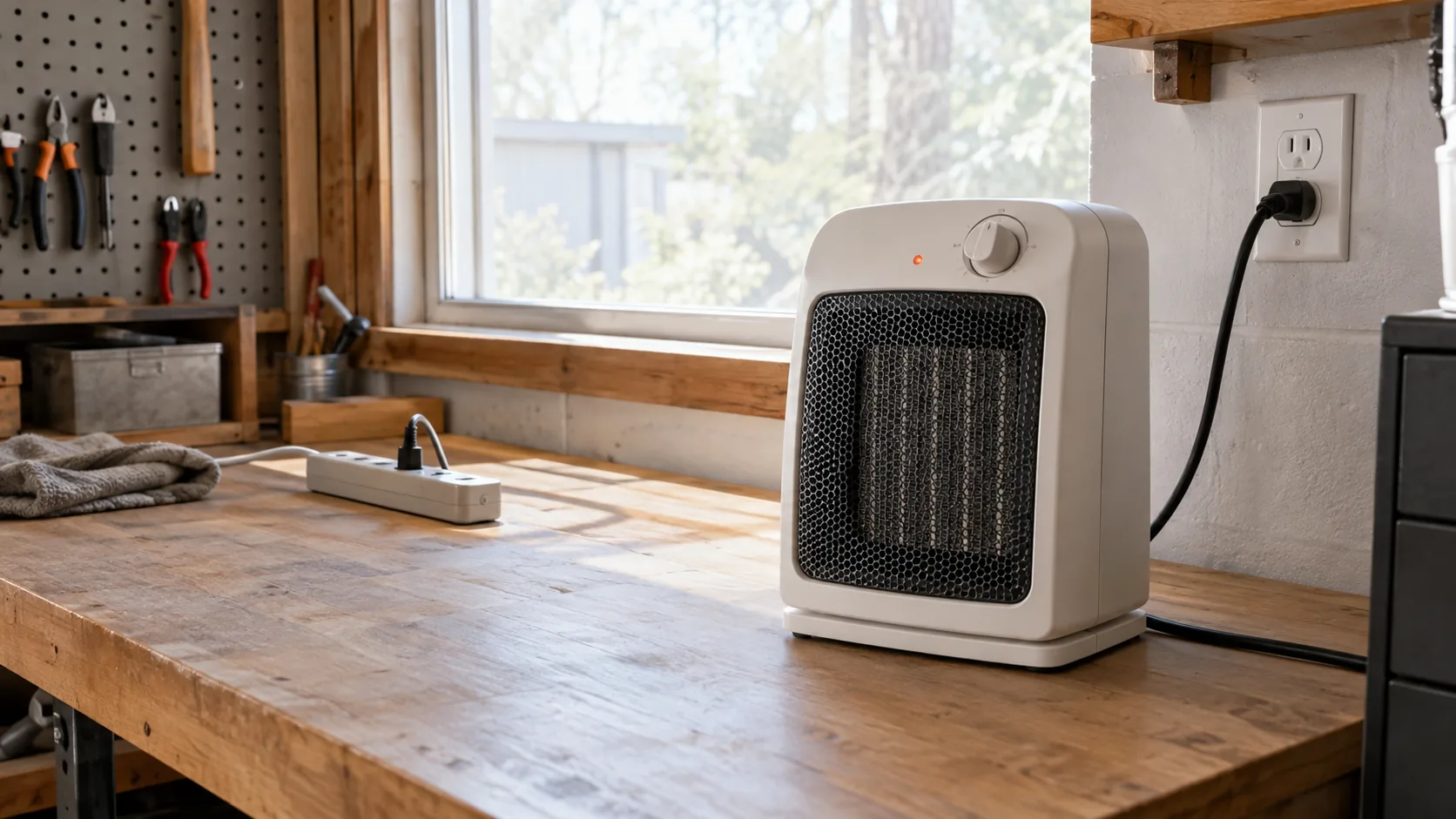
What is the unit of measure for power? It is the watt (symbol W), the SI unit that equals one joule of energy per second. Watts tell you how fast a device uses energy at a given moment, while watt-hours and kilowatt-hours tell you how much energy it used over time.
That difference matters on utility bills, generator sizing and appliance labels. This guide covers the units, the formulas, what counts as a high wattage, and how to measure what a real appliance draws.
What Is the Unit of Measure for Power? The Watt
Power is the rate at which energy is used or delivered. The SI unit for it, in electrical work and everywhere else, is the watt. So yes, power is measured in watts, and a watt is the unit of power, not of energy.
One watt equals one joule per second. A 60 W bulb converts 60 joules of electrical energy every second it is on. Joules measure energy; watts measure how quickly that energy flows.
The electrical formula
In a circuit, power depends on voltage and current:
- Watts = volts × amps
- Amps = watts ÷ volts
- Volts = watts ÷ amps
A device on a 120 V outlet that pulls 10 amps draws 1,200 W. Voltage is not a unit of power; it is the electrical push, measured in volts, and it is one of the two inputs to the watt figure. For alternating current, the formula holds exactly for resistive loads such as heaters and incandescent bulbs. Motors and power supplies add a power factor, which is one reason a measured value can differ from volts times amps.
Watts, Kilowatts, Megawatts and Gigawatts
The metric prefixes scale the watt up and down. Gigawatts are bigger than megawatts: one gigawatt is 1,000 megawatts.
| Unit | Symbol | Equals | Where you see it |
|---|---|---|---|
| Milliwatt | mW | 0.001 W | Small electronics, indicator lights |
| Watt | W | 1 joule per second | Bulbs, chargers, appliance labels |
| Kilowatt | kW | 1,000 W | Space heaters, ovens, generators, solar arrays |
| Megawatt | MW | 1,000,000 W | Large solar farms, factories |
| Gigawatt | GW | 1,000,000,000 W | Large power plants, regional grids |
The SI unit used for electrical power is the same watt at every scale; only the prefix changes. Home solar panels and generators are listed in watts or kilowatts, and utilities talk in megawatts.
Watts vs. Watt-Hours vs. Kilowatt-Hours
A useful comparison is speed and distance. Watts are like miles per hour: a rate at one moment. Watt-hours are like miles driven: a total after running for a while.
- Power (watts or kW): how much a device draws right now.
- Energy (watt-hours or kWh): power multiplied by the hours it runs.
- Energy in SI terms is the joule; 1 kWh equals 3.6 million joules.
The energy formula
Energy (kWh) = power (kW) × hours. A 1,500 W space heater is 1.5 kW. Run it for 2 hours and it has used 3 kWh. A 100 W bulb run for 10 hours uses 1 kWh.
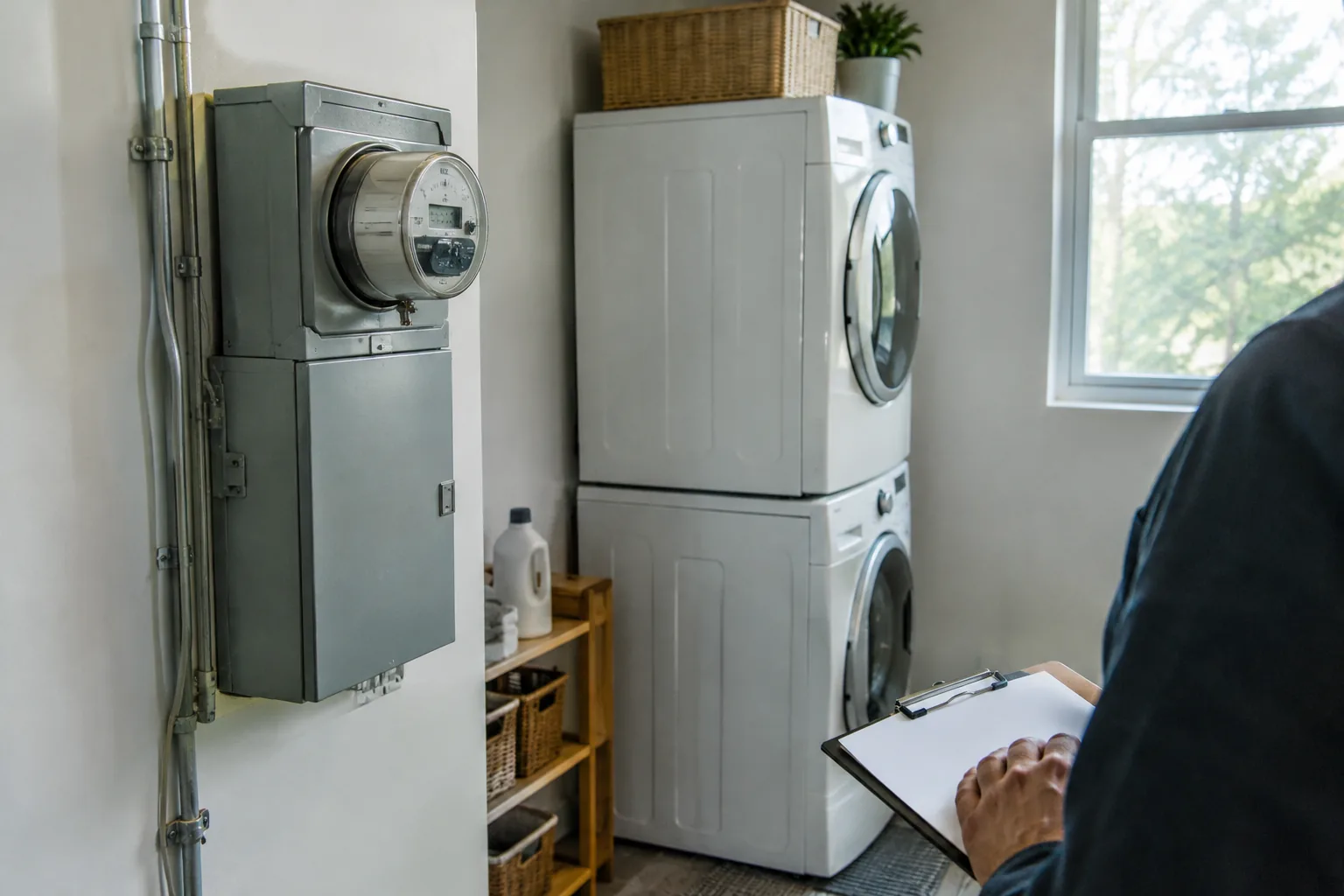
Your utility bill charges for kilowatt-hours, not kilowatts. To estimate running cost, multiply the kWh by the rate printed on your bill. The kWh figure is also what an electric meter accumulates, so a small load left running for many hours can use more energy in total than a large load used briefly.
How Many Watts Is Considered High?
There is no single cutoff, because it depends on the kind of device. Compare against the circuit it runs on and against similar devices.
| Level | Rough range | Examples |
|---|---|---|
| Low | Under 100 W | Phone chargers, LED bulbs, routers, laptops |
| Moderate | 100 to 1,000 W | Televisions, refrigerators, fans, power tools |
| High | 1,000 W and above | Space heaters, hair dryers, microwaves, toasters, window air conditioners |
One benchmark: a 120 V, 15 A household circuit works out to 1,800 W on paper (120 × 15). Devices that draw most of that, such as heaters, need their own attention when you plan what shares a circuit. For wiring questions, ask a licensed electrician.
How to Measure What an Appliance Actually Draws
The wattage on a label is a maximum or a nameplate value. Real draw changes with the mode, the load and the age of the device. A plug-in wattmeter reads it live at the outlet.
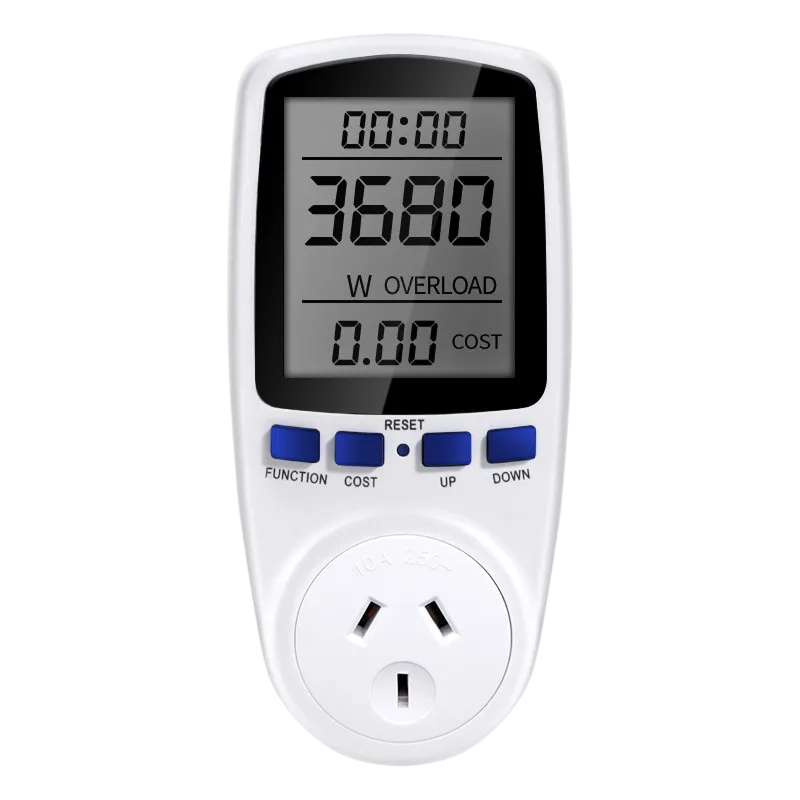
WattSage is a plug-in wattmeter that sits between a wall outlet and an appliance. Its LCD shows wattage, voltage, current and frequency, and it can show running cost from live wattage. It works with 110V to 250V outlets, and setup involves no app and no wiring.
 In this guideWattSage$69.99View
Steps
- Turn the appliance off and unplug it.
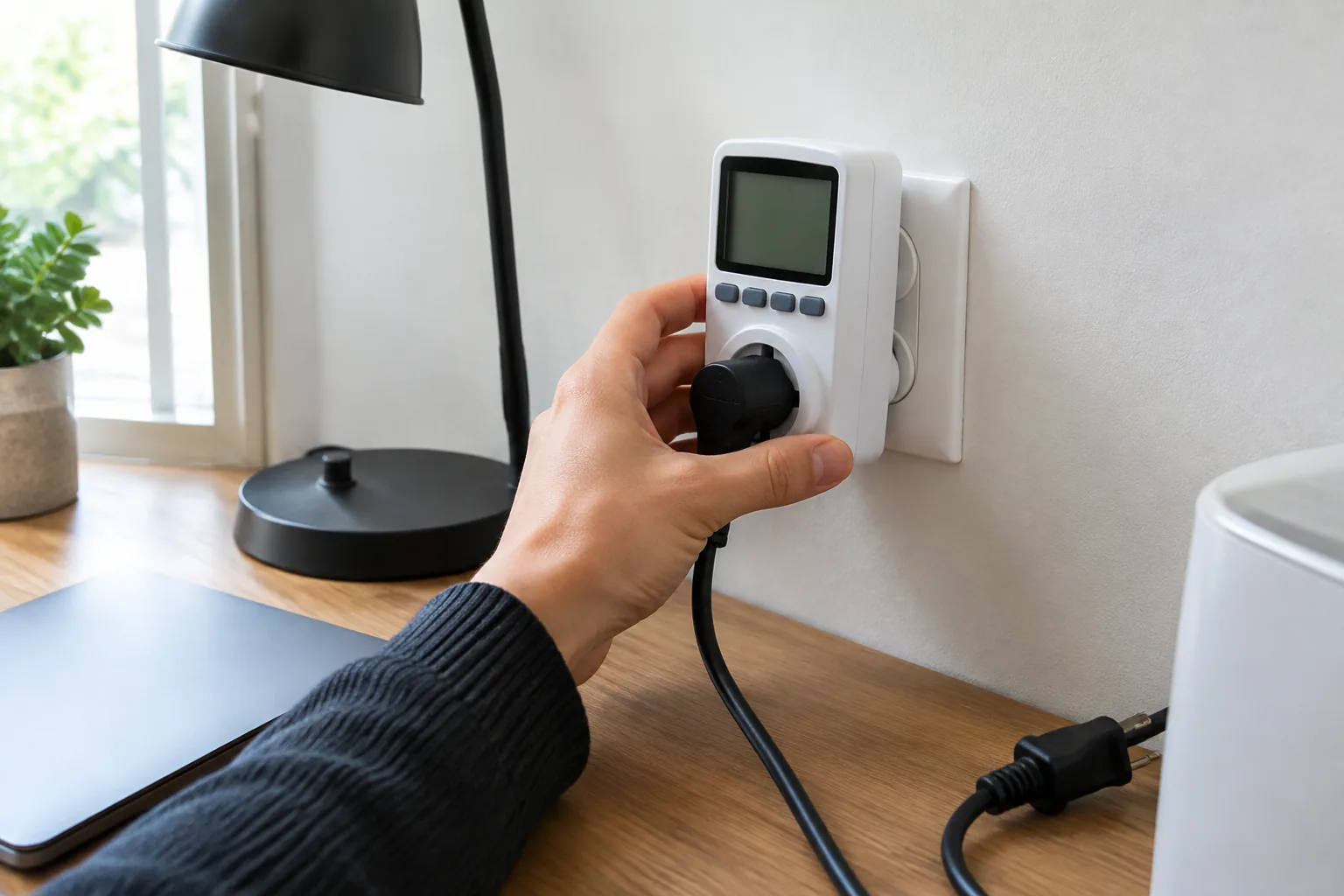
- Plug the meter into a wall outlet.
- Plug the appliance into the meter.
- Turn the appliance on and read the live values on the LCD.
- Run it in each mode you care about (low, high, standby) and note the wattage for each.
- For a running-cost estimate, use your utility's rate per kWh as the manual describes.
Follow the meter's manual and check that the appliance's draw stays within what the meter and the outlet allow. Keep the meter out of damp areas.
Field note
Measure devices that cycle, like a refrigerator or a space heater with a thermostat, across a full cycle. The wattage jumps when the compressor or element switches on, so one reading can mislead.
Common Mistakes When Reading Watts
- Mixing up kW and kWh. A kilowatt is a rate; a kilowatt-hour is an amount.
- Relying on the label alone. Label values describe the device in general, while a meter shows the draw of your unit.
- Ignoring standby draw. Devices that stay plugged in can still show a reading on the display.
- Forgetting startup surges. Motors can draw more for a moment when they start, which matters when sizing a generator.
- Reading amps as watts. Multiply by volts first.
If you also need to check voltage at a socket or battery with a handheld tool, how to use a digital voltage meter walks through 12V and household circuits. For other meters and testers, browse Electrical & Signal Testers.
Other Units of Power: Horsepower, BTU and Exercise Watts
Watts are not the only power unit, but they convert to the others.
- Horsepower: 1 hp is about 746 W, so a 2 hp motor is roughly 1,492 W.
- BTU per hour: used for heating and cooling equipment; 1 W is about 3.41 BTU per hour.
- Joules per second: the same thing as watts, in base SI terms.
Watts also appear in exercise. A cycling power meter reports watts, the rate at which you do work on the pedals, using the same joule-per-second definition. Energy for the same effort would be counted in joules, kilojoules or food calories.
Power is measured in watts, energy in joules or watt-hours. Keep that split in mind and labels, bills and generator specs become readable.
Frequently asked questions
Keep reading
 Audio, Connectivity & DiagnosticsWhat Is an Inverter? What It Does and What It Can Run From a Car7 min read
 Inspection Cameras & ScopesVideo Borescopes: How They Work and How to Use One on a Car7 min read
 Weather, Air & Moisture MetersHow Does a Moisture Detector Work? Readings and What Skews Them9 min read